
Feeds that end in tears. A little one who seems uncomfortable and unable to settle. If your toddler has been fussier than usual after feeds, maybe a little gassy, or struggling with irregular stools, you have probably found yourself wondering what’s going on.
And while it can feel confusing, one thing that’s often overlooked is how a child’s digestion responds to what they’re consuming daily.
The good news is that toddler digestion problems are more common than most parents realise. And in many cases, small changes in nutrition, including switching to an easy to digest formula for toddlers with sensitive tummies, can make a difference in your child’s overall routine and wellbeing.
Why some toddlers seem to have more sensitive tummies

Between the ages of 1 and 3, a toddler’s digestive system is still maturing. The gut is gradually learning how to break down and absorb a wider range of nutrients, including proteins and lactose found in milk-based formulas.
Because of this, some children take a little longer to adjust. The result can be mild, temporary discomfort that shows up in different ways: gassiness, bloating, irregular stools, or fussiness after feeds. In most cases, this is a normal part of how a young digestive system develops over time.
That said, if symptoms feel persistent or are affecting your child’s appetite, growth, or sleep, it is always worth speaking to a paediatrician for personalised advice.
How digestion affects more than just the tummy

When a toddler’s digestion is unsettled, the impact tends to spread further than the stomach.
Digestive discomfort during the toddler years can sometimes show up as:
• Gassiness or bloating after feeds
• Harder or infrequent stools that cause discomfort
• Crying, fussiness, or spit-ups that seems to follow mealtimes
• Disrupted sleep, particularly if discomfort lingers through the night
• Changes in mood that feel difficult to explain
While these moments can be temporary, they can still affect your child’s comfort, and your day-to-day routine as a parent.
What to look for in a milk formula for toddlers with sensitive tummies
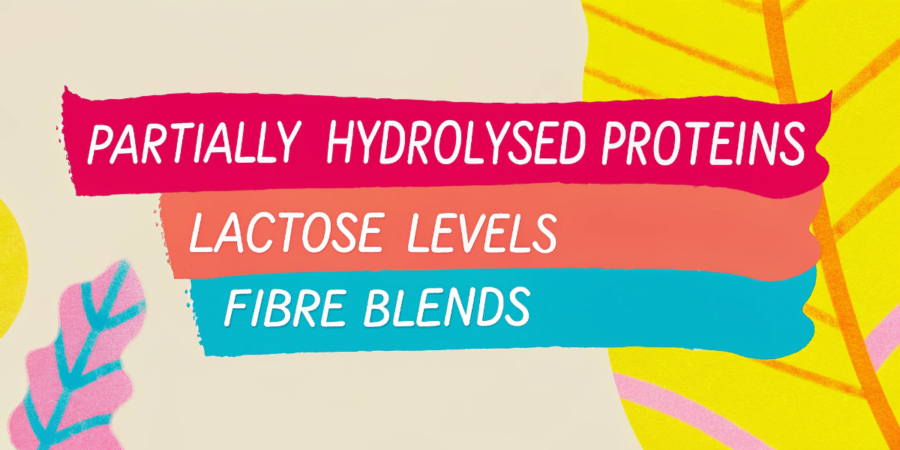
If you’re looking for a milk formula for toddlers with sensitive tummies, it can help to understand a few key ingredients that may support digestive comfort.
1. Partially hydrolysed protein
Regular milk formula contains whole intact proteins, which some toddlers find harder to digest. Partially hydrolysed protein has been broken down into smaller chains, which may make it easier for a developing digestive system to absorb. For toddlers with sensitive tummies, this can be a meaningful difference.
2. Adjusted lactose levels
Lactose is the natural sugar found in milk. While most toddlers tolerate it well, some are more sensitive. Formulas with reduced lactose are designed for children who may experience discomfort related to lactose digestion, without eliminating it entirely.
3. Fibre blends that support stool comfort
Certain prebiotic blends, such as PDX/GOS (polydextrose and galactooligosaccharides), are included in some formulas to support easy digestion and softer stools. If your toddler struggles with constipation or harder stools, this is a feature worth looking for on the label.
Why small changes can make a big difference

Every child responds differently, but when a toddler feels more comfortable after milk time, parents often notice changes that go beyond just digestion:
• A more settled behaviour throughout the day
• Improved sleep patterns, particularly in the hours after feeds
• Less fussiness after mealtimes
• A smoother daily routine
These may be small changes, but even small improvements in comfort can have a meaningful impact on everyday life.
Making a formula decision you feel confident about

With so many options available, choosing the right milk formula for your toddler can feel overwhelming. If digestive comfort has been a consistent concern, start with the symptoms your child is showing and look for formulas that address those specific needs.
A closer look at Enfagrow A+ Pro Gentlease

If you’re looking for an easy-to-digest growing-up milk formula for toddlers with sensitive tummies, it helps to know that not all easy-to-digest formulas are the same. Enfagrow A+ Pro Gentlease is formulated for children aged 1 and above, with smaller proteins that are easy to digest and absorb.
With partially hydrolysed protein, lower lactose, and prebiotics like PDX/GOS to support stool softness, Enfagrow A+ Pro Gentlease is designed to support digestive comfort while also providing DHA and MFGM for brain development.This gives parents an option that supports both everyday comfort and overall growth, so your little one, and your routine, can feel just a little more settled.
Frequently asked questions
1. Why does my toddler have a sensitive tummy?
A toddler’s digestive system is still developing between the ages of 1 and 3. As it matures, some children take longer to process certain nutrients, including proteins and lactose in regular milk-based formulas. Mild digestive discomfort during this stage is common and is often a normal part of gut development.
2. How do I know if my toddler needs a different formula?
Signs that a formula may not be sitting well include persistent gassiness, bloating, harder or infrequent stools, fussiness after feeds, crying, spit-ups, or changes in sleep and mood that seem connected to mealtimes. If these symptoms are consistent rather than occasional, it may be worth exploring a formula designed for toddlers with sensitive tummies and speaking with a paediatrician.
3. What is partially hydrolysed protein?
Partially hydrolysed protein is milk protein that has been broken down into smaller chains before it reaches your child’s gut. This process can make it easier for a still-developing digestive system to absorb, which may reduce common discomforts like gassiness and bloating in children with a sensitive tummy.
4. What is PDX/GOS in milk formula?
PDX (polydextrose) and GOS (galactooligosaccharides) are prebiotic fibres added to some formulas to support easy digestive and stool softness. If your toddler experiences constipation or harder stools, a formula containing a PDX/GOS blend may offer some relief.
5. When should I speak to a doctor about my toddler’s digestion?
Occasional discomfort is usually not a cause for concern. But if your toddler’s symptoms are severe, persistent, or affecting their appetite, weight gain, or overall wellbeing, it is best to consult a paediatrician before making any formula changes independently.