If you’re reading this at 3am with a baby who won’t settle, you’re in good company.
Sleep is one of the most emotionally heavy parenting topics in the Supermom community. Across Singapore and Malaysia, mothers shared thousands of sleep-related messages over the past six months. With one of the biggest topics being the 4 month sleep regression.
This guide walks through the 4-month sleep regression, naps, night waking, sleep training, and co-sleeping, along with what mothers in our community are experiencing right now.
The 4-month baby sleep regression, and why it hits so hard
One week your baby is sleeping reasonably well. The next, naps shorten, bedtime becomes harder, and night waking suddenly increases.
The 4 month sleep regression has a real biological explanation. Around three to four months, your baby’s sleep begins to mature, moving through lighter and deeper sleep stages more like an adult’s.
Because babies become more aware of transitions between sleep cycles, they are more likely to wake fully and need help settling again.
How long does the 4-month sleep regression last?
For many families, the regression lasts two to four weeks, although some babies take longer to adjust.
While it feels like a setback, it is actually a developmental milestone. Your baby’s sleep isn’t going backwards but changing into a more mature pattern.
Why night waking suddenly gets worse
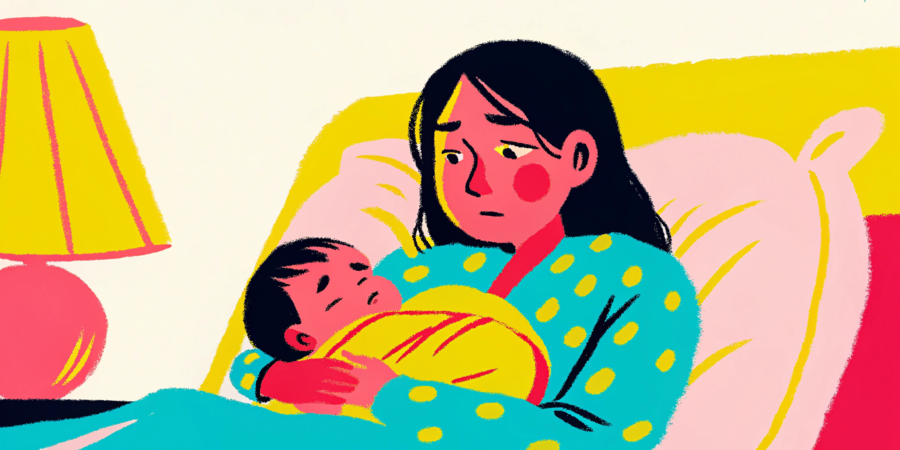
The 4 month sleep regression and night waking baby concerns often go hand in hand.
In our community, night waking is one of the most discussed sleep challenges, generating nearly 1,600 conversations from Singapore mothers in just six months.
A mom in our community group chat summed up the experience perfectly:
“Mummies, night time cough + baby = nobody sleep. You all also going through this or just me?”
The waking itself isn’t necessarily a problem. Often, it’s part of your baby learning how to move between sleep cycles independently.
💡 Supermom tip:Many babies start infant care between four and six months, right as the 4-month sleep regression hits. Ask your centre how they handle naps so the transition feels less jarring for everyone.
How many naps does your baby actually need?
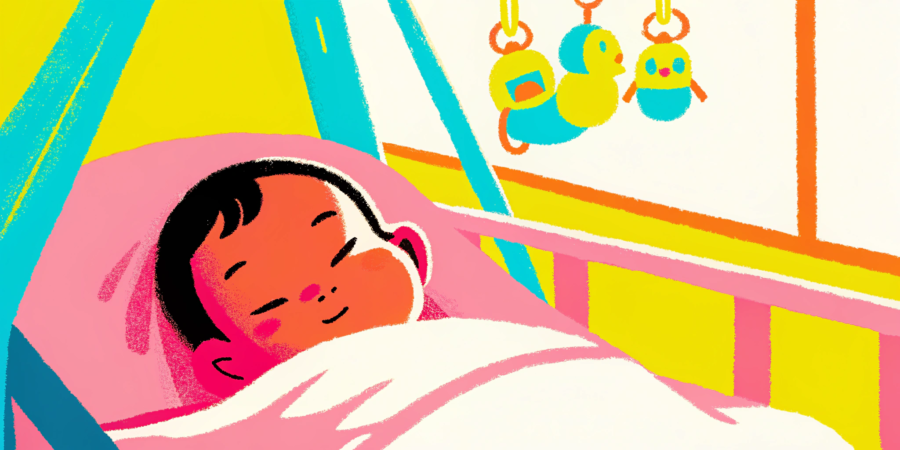
After sleep regressions, the next big question is usually: how many naps baby should be taking each day?
That makes sense. Naps are the largest sleep-related topic in our community after general sleep discussions, with more than 1,700 conversations from Singapore mothers over the past six months.
Baby wake windows by age
Wake windows are simply the amount of time your baby can comfortably stay awake between sleeps.
As a rough guide:
• 0-4 months: 60-90 minutes
• 4-6 months: 1.5-2.5 hours
• 6-12 months: 2-4 hours
• Around 12 months: 3-4 hours
Every baby is different. Treat these as ranges instead of rules.
When your baby is ready to drop a nap
Nap transitions tend to follow a predictable pattern.
Most babies move from three naps to two between eight and ten months. The transition from two naps to one usually happens between thirteen and eighteen months.
During these periods, sleep often becomes temporarily messy. Short naps, bedtime resistance, and extra night waking are all common.
💡 Supermom tip: If your baby is starting infant care during a nap transition, ask the centre about their sleep routines. Consistency between home and school can make the adjustment smoother.
See what other moms are doing to drop nap times here.
Contact naps and being carried to sleep
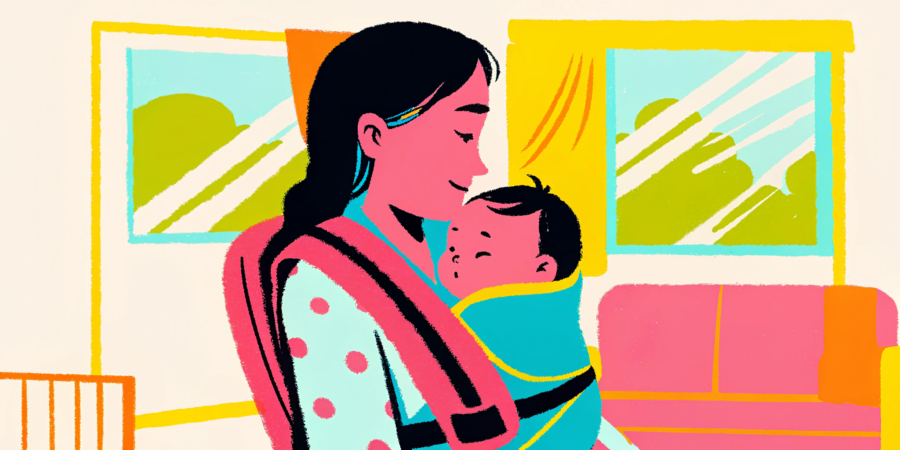
Many parents worry that rocking, carrying, or holding their baby to sleep has created a bad habit.
A mom in our community shared:
“Our helper also carries until he sleeps, probably that’s why instilled a bad habit. So now we’re wondering if sleep training will help at this point.”
The reality is that contact naps are incredibly common.
A contact nap is a way your baby has learned to feel safe and settled. If you’d like to encourage more independent sleep, gradual changes usually work better than sudden ones.
When night waking isn’t a regression
Not every rough night is caused by a regression.
In fact, sleep regression isn’t a recognised medical diagnosis. The term is often used to describe sleep disruptions that overlap with developmental changes, teething, illness, growth spurts, or routine changes.
What your baby’s night waking may be telling you
Night waking is often a signal rather than a problem to solve.
Your baby may be hungry, uncomfortable, overtired, unwell, or adjusting to a change in routine.
Looking at the bigger picture, including naps, feeding, health, and environment, often reveals more than focusing on the waking itself.
💡 Supermom tip: Singapore nights stay warm year-round. A room temperature of around 24-26°C, lightweight cotton clothing, and good airflow can help babies sleep more comfortably.
Do you need to sleep train your baby?
The topic of sleep training baby often comes with strong opinions.
Some families find gentle, structured approaches helpful. Others prefer responsive settling and choose not to sleep train at all.
Both approaches can support healthy sleep development.
If you decide to try sleep training, choose a method you can follow consistently and calmly. The best approach is usually the one that fits your family’s needs and values.
Co-sleeping, and when to stop
Questions about co-sleeping when to stop are less common than nap or night waking questions, but they’re often the most personal.
Many discussions touch on exhaustion, marriage, guilt, culture, and family expectations.
Independent crib sleep is often a cultural norm, not a measure of good parenting.
How to keep co-sleeping safe
The American Academy of Pediatrics recommends room-sharing without bed-sharing for at least the first six months, ideally up to twelve months1.
The highest risks come from sleeping on sofas or armchairs, loose bedding near infants, or bed-sharing with a parent who has been drinking or smoking.
When to stop co-sleeping and move to a cot
There is no universal age when co-sleeping must end. Some families transition before six months while others continue well into the toddler years.
The best time is usually when the arrangement stops working for your family. Many parents find gradual transitions easier than sudden changes.
💡 Supermom tip: In many multi-generational homes across in Singapore, room-sharing with baby is completely normal. Safe sleep matters far more than meeting someone else’s timeline for independence.
What to remember about baby sleep
One of the most interesting things we found in our community data is that parents rarely post about sleep when it’s going well.
The positive messages that do appear are often small moments of relief, like a baby sleeping through the night for the first time or finally settling in the cot after weeks of contact naps.
The 4 month sleep regression passes. Nap schedules become clearer. Night waking usually improves with time.
Focus on what works for your family, make changes gradually, and remember that most sleep struggles are a temporary part of your baby’s development.
References
- American Academy of Pediatrics Task Force on Sudden Infant Death Syndrome, “Sleep-Related Infant Deaths: Updated 2022 Recommendations for Reducing Infant Deaths in the Sleep Environment,” Pediatrics, vol. 150, no. 1, July 2022, article e2022057990.