The nesting instinct in the third trimester is real. You might find yourself washing baby clothes that are already clean, comparing strollers at midnight, or reorganising a room that felt perfectly fine last week.
Some of that energy is useful. But product lists multiply fast, and it is easy to end up preparing for every possible scenario instead of the most likely ones.
This guide covers what you need to prepare before your baby arrives, organised by priority, plus a few skills that will be helpful.
How to pace yourself during nesting in the third trimester

Nesting energy tends to feel more urgent than it is. Your baby does not need a perfectly curated nursery. They need warmth, a safe place to sleep, food, and you.
A few things to keep in mind as you prepare:
• Avoid lifting heavy boxes or furniture
• Stay away from chemical cleaners and paint fumes
• Skip anything that involves a ladder or high shelves
• Rest when the energy fades. You will need it more after birth than before
• Delegate what you can. Washing tiny clothes and setting up the bassinet are worth saving your energy for. Pass the flat-pack furniture assembly to someone else
💡 Supermom tip: If you are arranging for a confinement nanny or family member to stay from around your due date, loop them in early. Knowing the house layout and where supplies are kept before the baby arrives makes everything smoother when you are exhausted and postpartum.
Your newborn checklist: what to prepare before baby arrives

Think of your newborn essentials in three categories: before you leave the hospital, the first few weeks after the baby arrives, and things that can wait.
Before you leave the hospital
| Safe sleeping space | A firm, flat mattress in a crib, co-sleeper, or bassinet. No pillows, loose bedding, or bumpers. | |
| Car seat | Install a rear-facing infant or convertible seat before your due date and have it checked. | |
| Diapers and wipes | Newborns go through 8 to 12 diapers a day. Buy a small pack of newborn size and a larger pack of size 1. Most babies outgrow newborn sizing within two to four weeks. Use fragrance-free, alcohol-free wipes for the first weeks. | |
| Clothing | 5 – 7 short-sleeved onesies for daytime 3 – 5 three to five long-sleeved ones for cooler evenings or air-conditioned rooms Kimono-style openings and two-way zippers make night changes much easier. | |
| Swaddles | 2 – 4 lightweight muslin swaddles. Breathable cotton works best for humid climates. | |
| Feeding supplies | For breastfeeding: nursing bras, nipple cream, nursing pads, and a nursing pillow. For formula feeding: bottles, formula, a steriliser, and a bottle brush. For pumping: your breast pump and the correct flange size. |
Useful in the first few weeks

| Changing mat | A waterproof mat on a firm surface works just as well as a dedicated changing table and is safer as the baby gets more active. | |
| Baby bath tub | Newborns only need a full bath two to three times a week. A small tub that fits in your sink is enough. | |
| Gentle baby wash and moisturiser | Fragrance-free and paediatrician-tested. | |
| Thermometer | A digital ear or underarm model. You will use it more than you expect in the first year. | |
| Night light | Warm-toned and dim. Lets you handle overnight feeds and changes without switching on bright lights that make it harder for both of you to settle back to sleep. | |
| Burp cloths | At least 6 –8. Newborns spit up more than most people expect, and usually right after you have changed your shirt. |
Things that can wait
| Baby carrier | Useful once you know how your baby likes to be held. Buy after birth when you can try it with your actual baby. | |
| Stroller | Unless you know you need it in the first few weeks, wait until you understand your routine. | |
| Baby monitor | Practical for larger homes. Less necessary if your apartment means you can already hear everything. | |
| Most newborn gadgets | Wipe warmers, nappy bins, and specialised detergents solve problems you may not have yet. |
Two newborn skills to practise before birth
No product prepares you for a newborn the way knowing what to actually do with one does.
How to swaddle a newborn

Swaddling replicates the snug feeling of the womb and helps newborns settle and sleep more calmly. The basic method:
1. Lay a muslin square in a diamond shape and fold the top corner down about 15 centimetres
2. Place your baby on their back with their neck at the folded edge
3. Bring the left side across their body and tuck it under their right side
4. Fold up the bottom corner
5. Bring the right side across and tuck it in securely
The swaddle should feel snug around the chest and arms. You should be able to fit two fingers between the fabric and your baby’s chest. Keep the hips loose to allow natural leg movement.
Search for a short video from a paediatric clinic, or ask your hospital whether a newborn care workshop is available before discharge.
Newborn diapering tips
A few things that are easier to know before 3am:
• Girls: always wipe front to back to prevent infection
• Boys: angle the penis downward before closing the nappy to reduce leaks and keep a spare cloth nearby
• Both: the umbilical cord stump stays attached for one to three weeks. Keep it clean and dry, fold the nappy below the stump line, and let it fall away on its own
Simple home prep that makes the first weeks easier
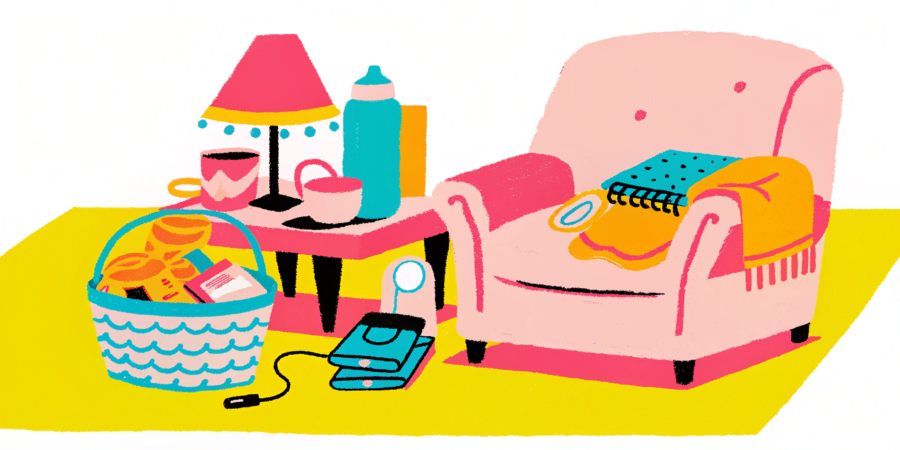
1. Set up a feeding station
A comfortable chair with a phone charger, water bottle, snacks, burp cloth, and nursing pillow within reach. You will spend significant time here, and being able to reach everything without putting the baby down makes a real difference.
2. Wash all baby clothes and bedding.
Use a mild, fragrance-free detergent. Fabric softeners can irritate newborn skin.
3. Confirm your postpartum support plan.
Who is with you in the first week? Who is bringing meals? Who can you call at 2am? Having this settled before birth, even informally, matters more than anything else on this checklist.
You will not feel completely ready, and that is okay

Even with every item ticked off, you will probably still stand in the nursery the night before your due date wondering if you have missed something.
Most mothers do. It does not mean you are unprepared. It means you understand what is coming.
The checklist helps. But most of what your baby needs in the first days, you already have. The rest you will figure out as you go.