During pregnancy, your body changes. You’re getting weird pregnancy cravings at 3a.m. and there is a little one quietly relying on you for everything.
It is exciting, but it can also make you wonder if you are getting all the nutrients you need.
The good news is your body is working harder than you realise, and a little support can make the journey feel easier.
This guide walks you through the supplements that can help at each stage so you feel more informed, more confident, and a lot more supported as your baby grows.
Disclaimer: This guide offers general information and should not be taken as medical advice. Always consult your doctor before starting any new supplements.
When to Take Pre Pregnancy Supplements
Starting early is always helpful. Some mothers begin before conception and others start as soon as they find out they are expecting. Those first weeks are busy for your baby’s development, so having nutrients ready makes a difference.
And if you didn’t start before pregnancy, it’s completely okay. Beginning now still gives your baby everything they need as they grow week by week.
Why Supplements Are Important During Pregnancy

Pregnancy asks your body to show up in ways you may not expect. You are growing a whole human while still trying to take care of yourself, which is a crazy miraculous thing.
Even with a balanced diet, some nutrients can be harder to get in the amounts your body needs. A vitamin for pregnancy can offer gentle support so you stay nourished while your little one gets the building blocks needed for early growth.
Pre Pregnancy Supplements
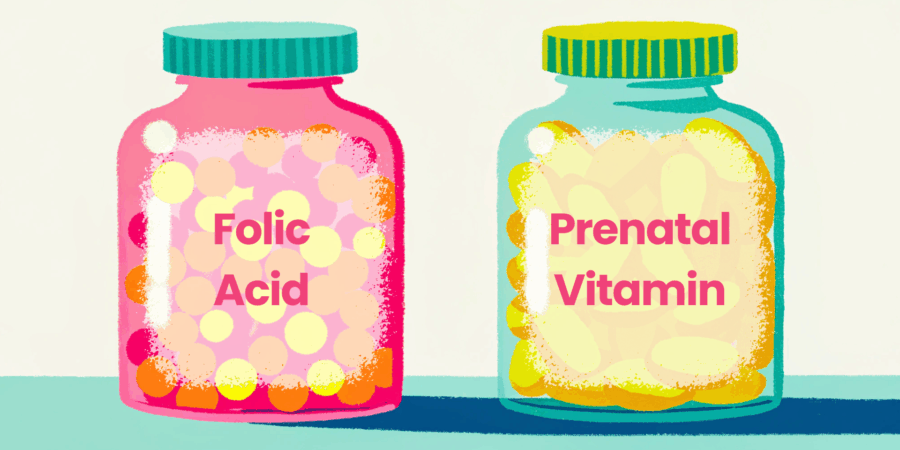
A pre pregnancy supplement gives you a small head start and helps lay the foundation for a healthy pregnancy.
1. Folic Acid
Folic acid plays a huge role in your baby’s early development. It supports the formation of the brain and spine long before most mothers even feel pregnant. It is recommended to start a folic acid supplement for pregnancy about 6 months before trying to conceive.
2. Prenatal Vitamin
Most prenatal vitamins include folic acid, iron, and other important nutrients like calcium and vitamin D. They are meant to support both you and your baby throughout pregnancy, especially when your diet is changing with your symptoms.
Pregnancy Supplements

The supplements you take are to help support your health and the little one growing inside of you. Here are some you might want to pay attention to:
| Supplement | Benefit | Best time to consume it | Common side effects |
| Folic Acid | Helps your baby’s brain and spine develop properly. It is recommended to take folic acid during the first 12 weeks of pregnancy. | In the morning right after waking up | Bloating or gas, loss of appetite, nausea and bitter or metallic taste in mouth |
| Iron | During pregnancy, your body works overtime to produce more blood to support your growing baby. If you’re feeling unusually tired or lightheaded, check in with your doctor to see if you may need extra nutritional support. | After breakfast with vitamin C for better absorption. Avoid taking it with milk. | Constipation, dark stools, nausea, stomach cramp and metallic taste in mouth |
| Vitamin C | Great for your immunity and helps your body absorb iron more effectively. | After breakfast with iron (helps with iron absorption) | Mild stomach upset, bloating or gas, heartburn and diarrhea |
| Calcium | Your baby is developing strong bones and teeth, and your body naturally gives from its own reserves to support them. Helps keep your bones healthy too. | After lunch (avoid taking it with iron) | Constipation, gas or bloating and mild stomach discomfort |
| Vitamin D | Supports bone development, immunity, and calcium absorption. Also supports your baby’s early growth. | After dinner (heaviest meal, best absorption) | Nausea, headache, dry mouth and mild stomach discomfort |
| DHA (Docosahexaenoic Acid) | DHA is an omega-3 fatty acid that supports your baby’s brain and eye development. | After dinner (keep capsules in the freezer to reduce aftertaste) | Fishy burps/after taste, nausea and stomach discomfort |
| Magnesium | Supports your muscles and can help with sleep or nighttime cramps. If you feel restless or achy, speak with your doctor about which magnesium supplement is best for pregnancy. | 1-2 hours before bedtime | Diarrhoea and soft stools |
Supplements to Avoid During Pregnancy
When pregnant, avoid the following nutrients in high amounts. Always check with your doctor before taking any additional supplements.
1. Vitamin A
Vitamin A is important for fetal vision development and immunity, but too much Vitamin A can be dangerous. It can lead to birth defects and cause congenital birth abnormalities.
When choosing fish oils, avoid cod liver oil or other supplements made from the liver of fish due to its high levels of preformed vitamin A.
💡Supermom tip: Too much preformed Vitamin A (retinol, from animal sources/supplements) is harmful, but provitamin A (beta-carotene, from plants) help with nourishing your body.
2. Vitamin E
High amounts of vitamin E may increase the risk of abdominal pains and premature ruptures of the amniotic sac.
Let MomGenie Support You Through Every Stage
Pregnancy asks so much of you, both physically and emotionally. You are growing a little life while still trying to show up for your day, your family and yourself. Some days you feel steady, and on others you are just doing your best.
Through all of it, you deserve support that feels gentle, comforting and reliable.
Pregnancy comes with many moving parts, and keeping track of your vitamins should never feel like another task on your list. Use Aima as your personal tracker. Staying nourished is easier when you have a gentle system that adapts to each stage of your journey.
![Learn more about your child’s gut health with SuperMom Expert Series - Probiotics 101 [Episode 1]](https://welovesupermom.com/blog/wp-content/uploads/2021/08/Learn-more-about-your-childs-gut-health-with-SuperMom-Expert-Series-Probiotics-101-Episode-1-1.jpg)