How Different Cultures Help Moms Heal After Birth
After childbirth, every culture has its own way of helping moms recover, body, mind, and spirit. In Asia, postnatal massage is more than just self-care; it’s a sacred ritual of restoration.
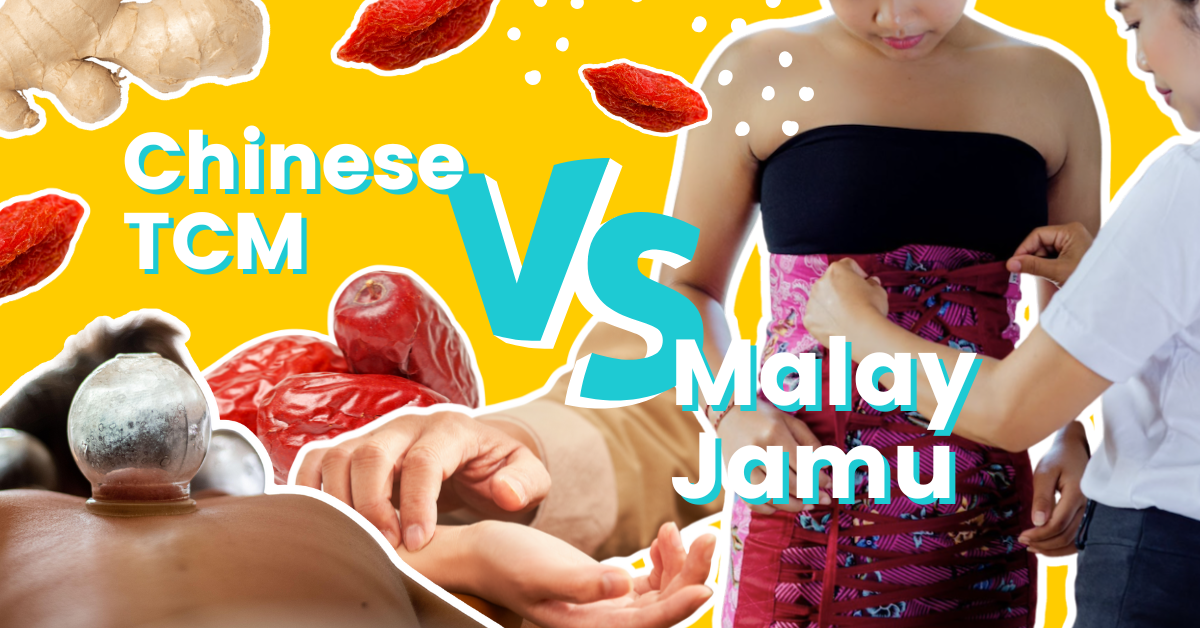
Two of the most popular traditions are the Malay Jamu massage and the Chinese “Zuo Yue Zi” (坐月子) confinement massage. Both share one goal: to help new mothers regain balance and strength. But they do it in very different ways.
🌿 Malay Traditional Postnatal Massage (Urut Melayu)
Philosophy
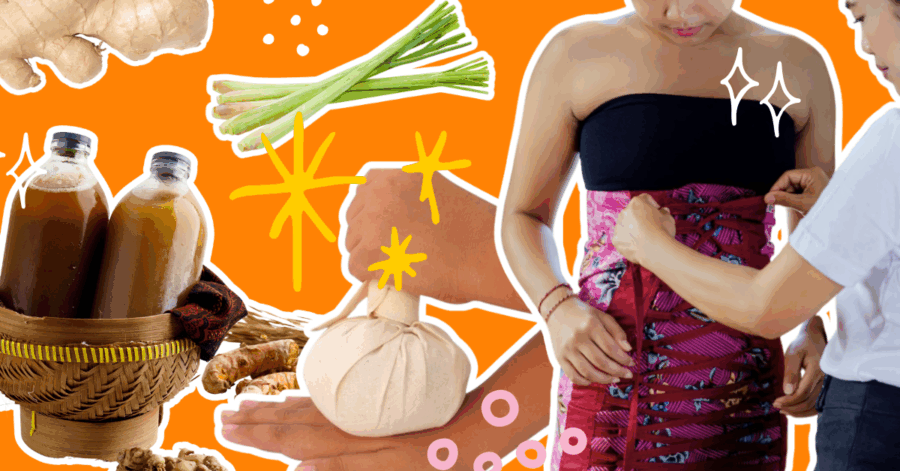
The Malay practice is rooted in the belief that after childbirth, the body is in a cold and fragile state. The focus is to “expel wind” (angin), restore warmth, and tighten the body back into balance.
Common Techniques
- Full-body massage (Urut) using long, firm strokes to stimulate blood flow and release trapped wind
- Hot herbal compress (Bertungku) using heated stones or herbal pouches to warm the abdomen and womb area
- Herbal bath (Mandi Herba) with aromatic leaves such as pandan, lemongrass, and ginger to relax muscles and improve circulation
- Abdominal binding (Bengkung) a long cotton wrap tied tightly around the midsection to help the uterus contract, reduce bloating, and support posture
- Herbal tonics (Jamu) often made with turmeric, ginger, tamarind, and galangal to cleanse and energise from within
Focus Areas
- Womb and abdominal recovery
- Expelling wind (gas or bloating)
- Muscle toning and fluid retention
- Restoring warmth and circulation
Duration
Traditionally, 7 to 14 days, starting from 3 to 5 days after a normal delivery (later if C-section). Sessions last 60 to 90 minutes daily.
Modern Twist
Today, Malay postnatal massage blends traditional herbs and techniques with spa-style experiences, combining aromatherapy oils and heated herbal wraps for a more relaxing yet restorative session.
🌸 Chinese Traditional Postnatal Massage (Tui Na Massage)
Philosophy
Rooted in Traditional Chinese Medicine (TCM), this massage is part of the 30 to 40-day confinement period called Zuo Yue Zi, meaning “sitting the month.” The belief is that childbirth depletes qi (life energy) and blood. The mother must restore yang (warmth) and avoid yin (cold) to prevent long-term weakness.
Common Techniques
- Gentle acupressure and meridian massage to rebalance qi and improve internal energy flow
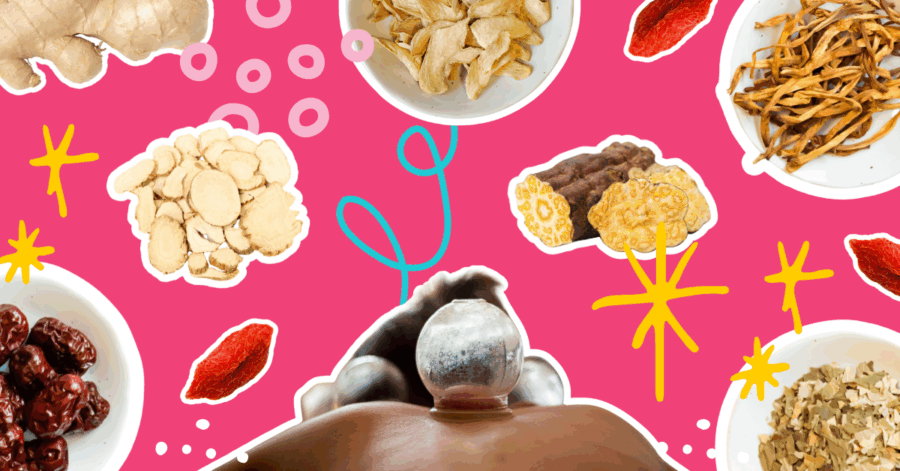
- Moxibustion or warm therapy using burning herbs (usually mugwort) to add heat and restore yang energy
- Focus on lower back, legs, and abdomen to stimulate uterine contraction and relieve tension
- Abdominal wrapping (shou du) typically looser and combined with herbal packs
- Herbal baths and soups where mothers bathe and drink warm herbal infusions that nourish the blood and replenish energy
Focus Areas
- Rebalancing internal qi and blood
- Warming the body and dispelling cold
- Improving lactation and energy
- Preventing wind illnesses such as joint pain or fatigue
Duration
Traditionally 30 to 40 days, as part of full confinement care. Massage is done every few days, not daily, and usually complements TCM dietary and rest practices.
Modern Twist
Many TCM practitioners today combine Chinese massage with mild physiotherapy techniques and use safe, modern herbal products. Some even offer home-visit moxibustion and gua sha (scraping) therapy to relieve neck and shoulder tension from breastfeeding.
⚖️ Key Differences at a Glance
| Aspect | Malay Postnatal Massage | Chinese Postnatal Massage (Zuo Yue Zi) |
|---|---|---|
| Philosophy | Expel wind and restore warmth | Replenish qi and blood, balance yin-yang |
| Core Belief | Body becomes cold and filled with trapped wind | Body becomes weak and yin-heavy after blood loss |
| Focus Areas | Womb, abdomen, and muscle toning | Energy flow, circulation, and internal balance |
| Common Tools | Herbal compress, hot stones, bengkung wrap, jamu tonics | Acupressure, moxibustion, herbal packs, confinement soups |
| Duration | Daily for 7 to 14 days | Every few days for 30 to 40 days |
| Herbal Elements | Turmeric, ginger, lemongrass, galangal | Red dates, goji berries, angelica root, mugwort |
| Posture and Binding | Tight abdominal wrapping (bengkung) | Gentle binding or heating over the abdomen |
| Outcome | Flatten tummy, restore strength, relieve aches | Rebalance energy, prevent wind illness, improve vitality |
💪 Transitioning to Modern Recovery and Slimming
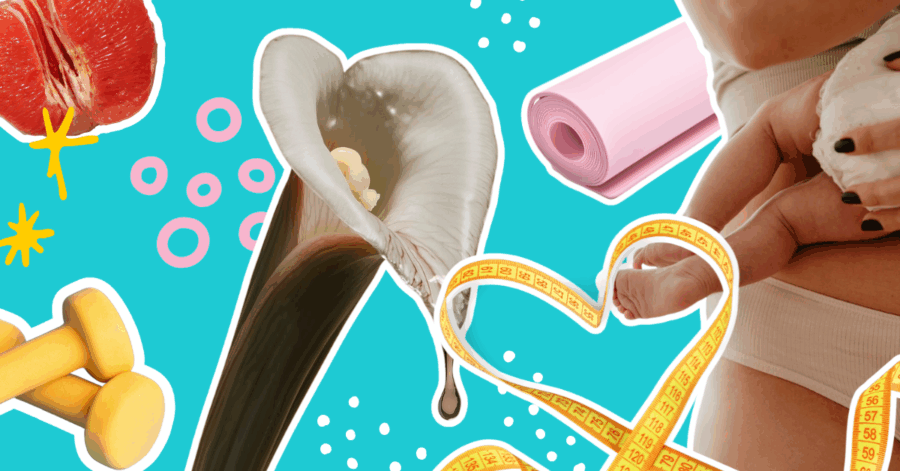
Once you’ve completed your confinement and your body feels stronger, it’s natural to want to reclaim your pre-pregnancy energy and shape.
Most experts recommend waiting until 3 to 4 months postpartum before starting any slimming treatments or more intensive exercise routines.
Here’s why:
- Your uterus and abdominal wall need time to fully recover
- Hormonal changes still affect joint stability and energy levels
- Early or aggressive slimming programmes can interfere with healing or milk supply
At around 12 to 16 weeks postpartum, you can start exploring:
- Postnatal slimming massage or body contouring treatments (always choose gentle, medically approved options)
- Pelvic floor and core strengthening exercises such as yoga, Pilates, or physiotherapist-guided workouts
- Lymphatic or infrared therapies for safe, gradual toning
The key is progression, from recovery to rejuvenation, then fitness. Your body has done something incredible; it deserves patience and care before you push for transformation.
💖 Treat Yourself to Self-Care and Love
If you’re ready to take the next step in your postnatal journey, head over to our Supermom Perks page to explore exclusive deals and offers curated just for moms. From gentle recovery massages and wellness treatments to self-care experiences that celebrate your strength and journey, you’ll find thoughtful options designed to help you feel confident, pampered, and loved.
💡 Supermom Hack
Feeling unsure when to start your postpartum fitness or slimming journey?
Ask Aima for a customised recovery plan, from traditional Malay and Chinese massage sessions to when and how to begin safe postnatal workouts, all tailored to your healing timeline.