Hari Raya brings open houses, family reunions, and tables full of comforting festive dishes. If you are expecting this year, you might be wondering how to enjoy the celebrations without thinking about what food you should avoid.
The good news: most Raya foods are perfectly fine during pregnancy. The real focus is balance. Some dishes are richer, sweeter, or saltier than what you might normally eat, so a little mindfulness goes a long way.
You do not need to sit out the feast. You simply need to pace yourself and listen to your body.
Here is a Raya food guide for pregnant moms, so you can enjoy Raya while keeping you and your baby healthy.
Rendang and rich coconut dishes
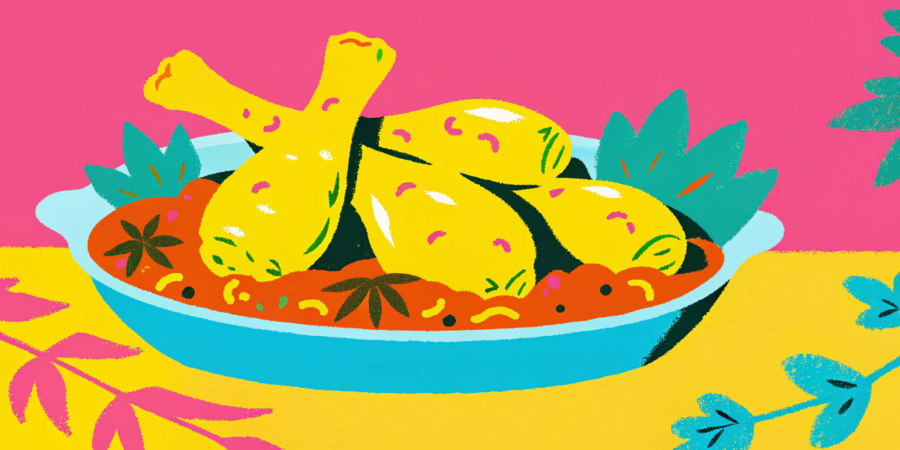
Few dishes say Raya quite like a pot of rendang simmering away in the kitchen. Tender meat cooked with spices and coconut milk is a festive favourite across many homes.
Pregnant mums can certainly enjoy rendang. The thing to remember is that it is a rich dish. Coconut milk and oil increase the fat content, while the seasoning can add quite a bit of salt.
A small serving alongside rice, vegetables, or lighter dishes usually feels more comfortable. If satay is also on the table, you may want to trim away the fattier bits of the meat before eating.
This way you still enjoy the flavour without feeling overly full.
Lemang, ketupat and glutinous rice dishes
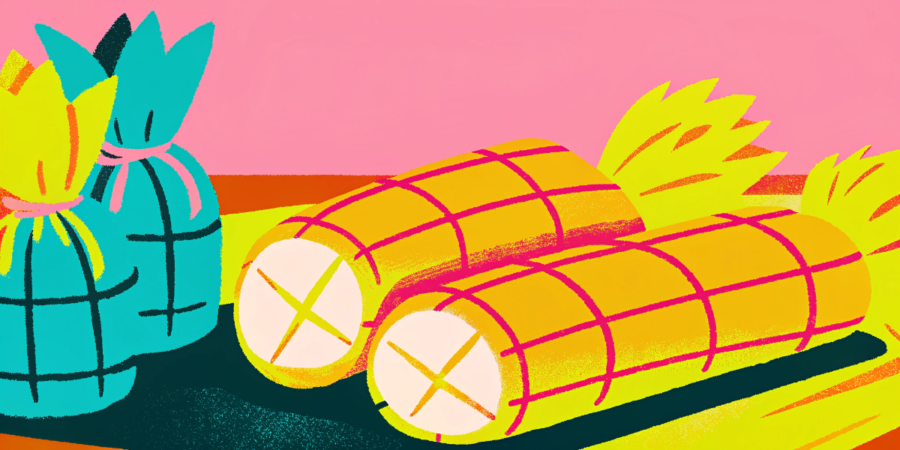
Lemang and ketupat are staples during Hari Raya visits. Made with rice and coconut milk, they are filling and satisfying.
These foods are generally safe during pregnancy. However, glutinous rice can be quite heavy and may leave some people feeling bloated.
Pregnancy can already make digestion a little slower, so it may help to keep portions modest and pair them with vegetables or protein. This often feels easier on the stomach while still letting you enjoy these festive classics.
Kuih Raya and festive desserts
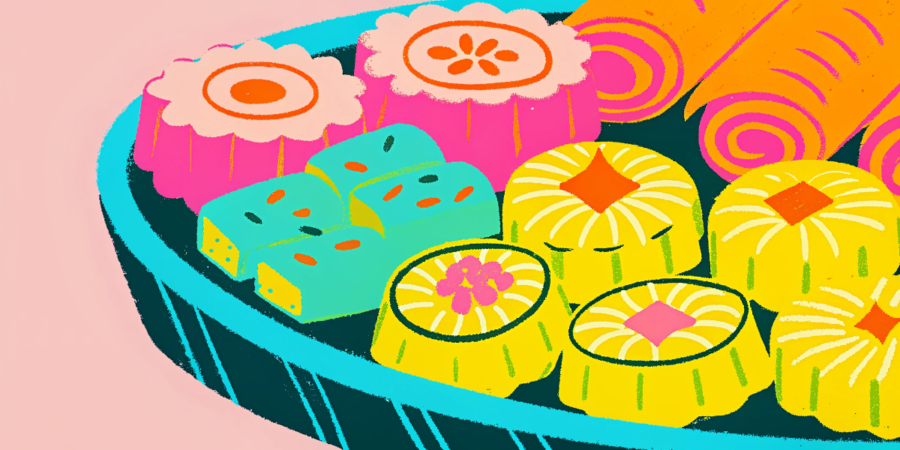
One of the joys of Raya is the colourful spread of kuih and cookies on every coffee table. Their small size makes it very easy to keep reaching for another.
Most Raya treats like, dahlia biscuits, semperit, and suji cookies are made from ingredients such as flour, butter, eggs and sugar. While safe to eat, they do contain quite a bit of sugar and saturated fat.
There is no need to avoid them completely. Enjoy a few pieces, take your time, and savour them slowly. When treats are this special, a small portion is often enough to satisfy the craving.
Sweet drinks and cendol
Sweet drinks often appear alongside the food during open houses. Sirap bandung, cendol, iced teas and other colourful beverages can be tempting, especially on a warm afternoon.
The main concern here is sugar. Drinks like cendol also contain coconut milk and palm sugar, which can add up quickly.
Alternating with plain water can help keep you hydrated while preventing sugar intake from creeping up too much..
Fried snacks
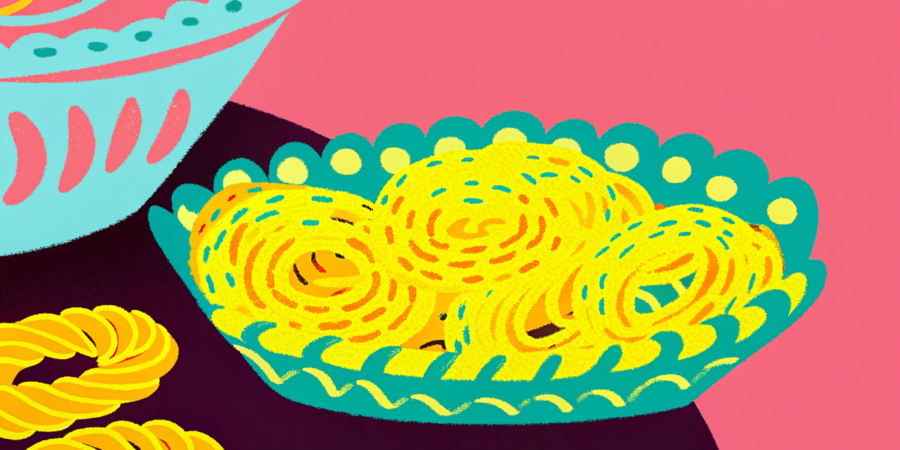
Keropok, muruku and other crunchy snacks are common during Raya visits. They are delicious and easy to nibble on while chatting.
Many of these snacks are deep fried or high in salt, which can leave you feeling thirsty or bloated if eaten in large amounts.
If you are craving something savoury, roasted nuts or lighter snacks may feel easier on your stomach. A small handful is usually enough to satisfy the craving.
Spicy sambal and heavily seasoned dishes
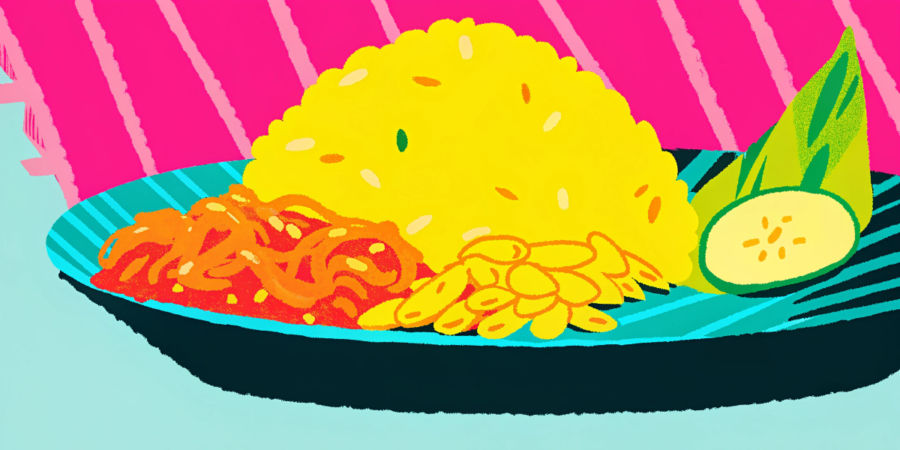
Some Raya dishes come with sambal or spicy condiments that add a wonderful kick of flavour.
Spicy food itself is not dangerous during pregnancy. However, it can trigger heartburn or stomach discomfort, which many pregnant mums already experience.
If you enjoy spicy flavours, try adding just a little sambal rather than a full spoonful. This allows you to enjoy the taste without overwhelming your stomach.
Food safety during Raya visits
During festive gatherings, food is often prepared in large quantities and left out for guests throughout the day.
Pregnant mums may want to be a little more cautious with food safety. Choosing dishes that are freshly prepared and ensuring meat is fully cooked can help reduce the risk of foodborne illness.
When in doubt, warm food that is served hot is usually the safest option.
Kuih raya myths
Family gatherings sometimes come with plenty of well meaning advice. Some beliefs about pregnancy and food have been passed down for generations.
Here are two common ones you might hear during Raya.
1. Pineapple causes miscarriage
You may have heard that pineapple should be avoided during pregnancy. There is no strong scientific evidence showing that normal amounts of pineapple cause miscarriage.
Enjoying a pineapple tart or two during Raya is generally considered safe.
2. Grass jelly is “too cooling”
Another common belief is that grass jelly, which is often found in cendol, can harm pregnancy because it is considered cooling.
There is no scientific evidence supporting this claim. The main thing to watch with cendol is actually the sugar and coconut milk rather than the grass jelly itself.
Enjoy Raya with confidence
Being pregnant does not mean you have to miss out on the joy of Hari Raya food. With sensible portions and a little awareness, you can still enjoy the dishes that make this celebration so special.
Eat slowly, drink enough water, and choose a balanced mix of foods when you can.

As you enjoy the flavours of Raya, remember to nourish yourself in the everyday moments too.
Redeem Similac Mum milk sachets and a welcome gift that supports your nutritional needs through pregnancy and beyond.