Getting pregnant changes your body in many ways, and your appetite often shifts along with it. There is a new awareness that you are eating for more than just yourself and “eating for two”.
That can sound a little intimidating at first, but a pregnancy diet is not about eating perfectly. It is about giving your body steady nourishment while growing a whole human, which is already a full-time job.
Why Your Pregnancy Diet Matters
What you eat during pregnancy supports your baby’s growth and your own energy levels. It also helps your body cope with common issues like:
- fatigue
- dizziness, and
- constipation
Think of your pregnancy diet as daily support rather than a strict rulebook.
Important Nutrients During Pregnancy
Your body needs extra support from certain nutrients during pregnancy. Some of them include:
- folic acid for early development
- iron to help reduce fatigue
- calcium for bone strength
📖 Related read: Essential Supplements for Mothers: Before & During Pregnancy
11 Foods That Are Good for Pregnancy
The good news is that you do not need exotic superfoods. Many food good for pregnancy are already part of everyday meals.
1. Dairy
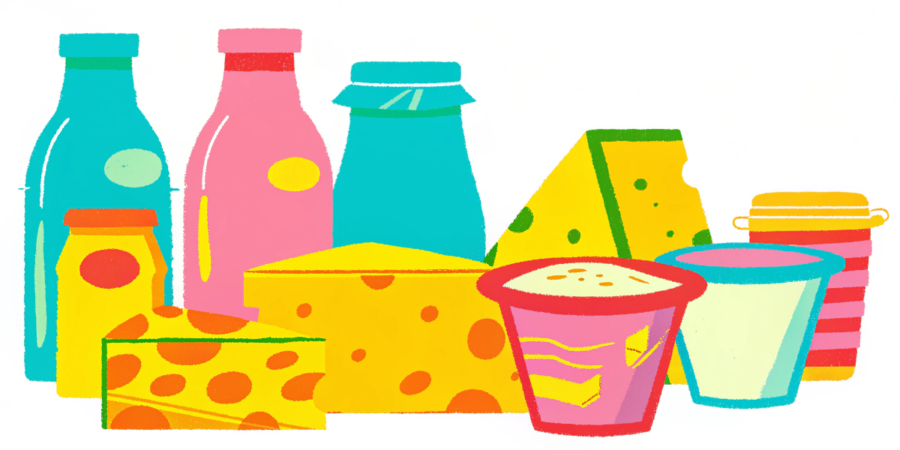
Dairy products like pasteurised milk, yogurt, and hard cheeses are an excellent source of calcium and protein which supports your baby’s bone development and help maintain your own bone strength during pregnancy.
Avoid unpasteurised or soft cheeses to prevent harmful bacteria.
2. Eggs
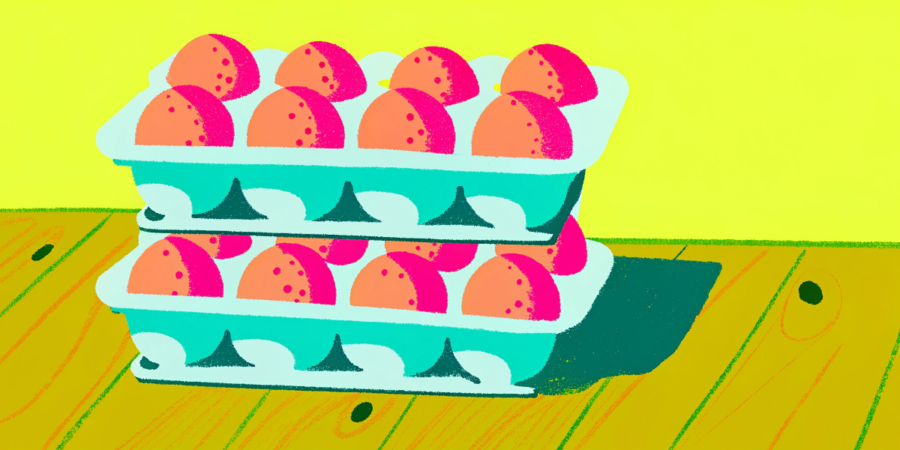
Cooked eggs are a convenient source of high-quality protein and contain choline, which supports your baby’s brain development.
3. Avocados
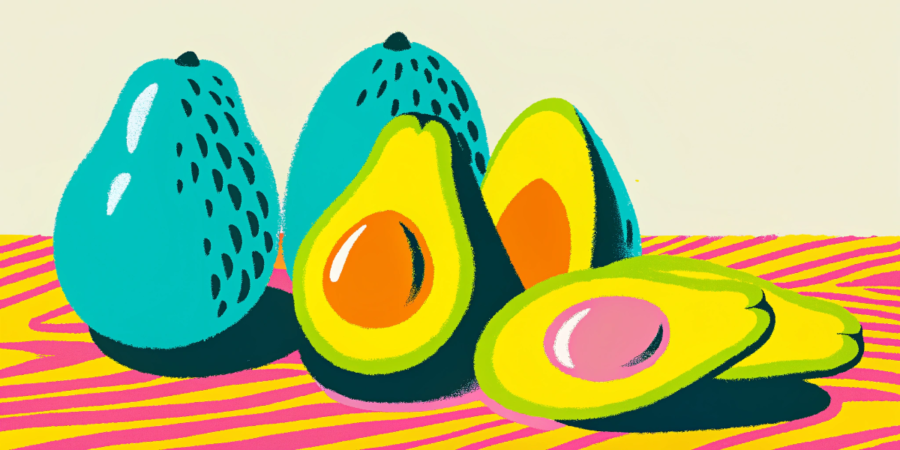
Avocados are rich in healthy fats, fibre, and folate, helping support cell growth while keeping you fuller for longer. It is a superfood that can help with leg cramps, constipation, morning sickness and nausea.
4. Sweet potatoes
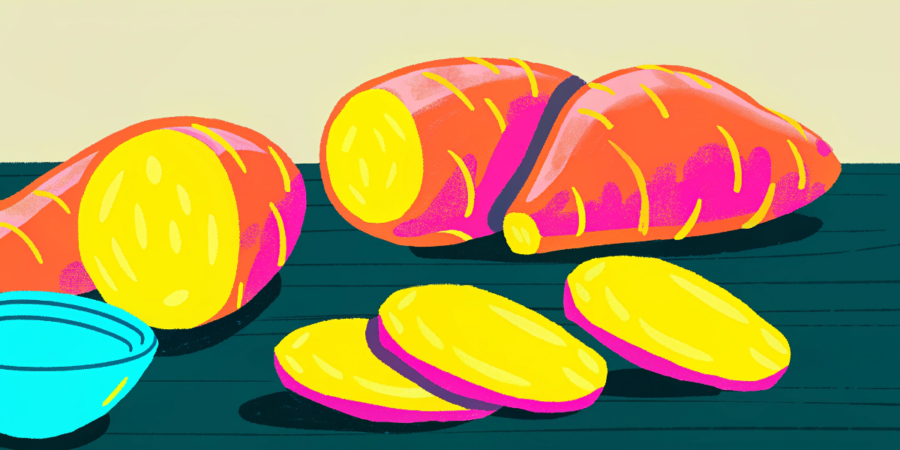
Sweet potatoes are high in beta carotene, which your body converts to vitamin A for healthy vision, skin, and immune support.
5. Salmon
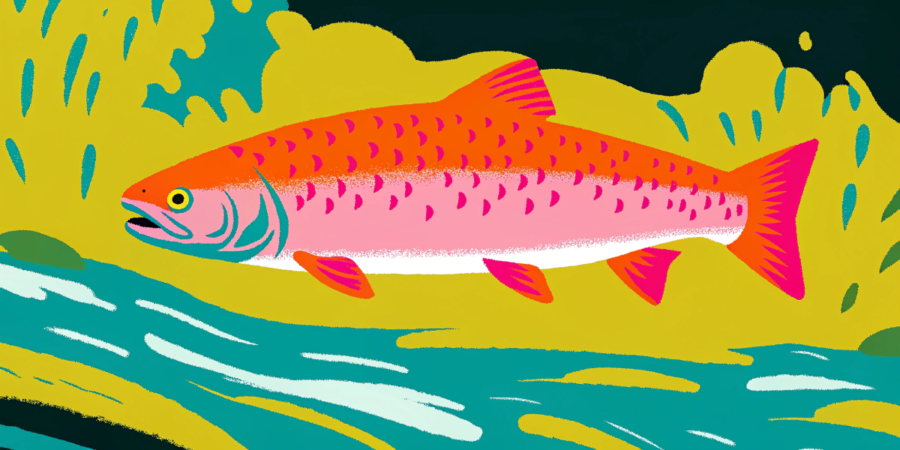
Cooked salmon provides omega-3 fatty acids that support your baby’s brain and eye development. It is also a good source of protein and vitamin D.
6. Whole grains
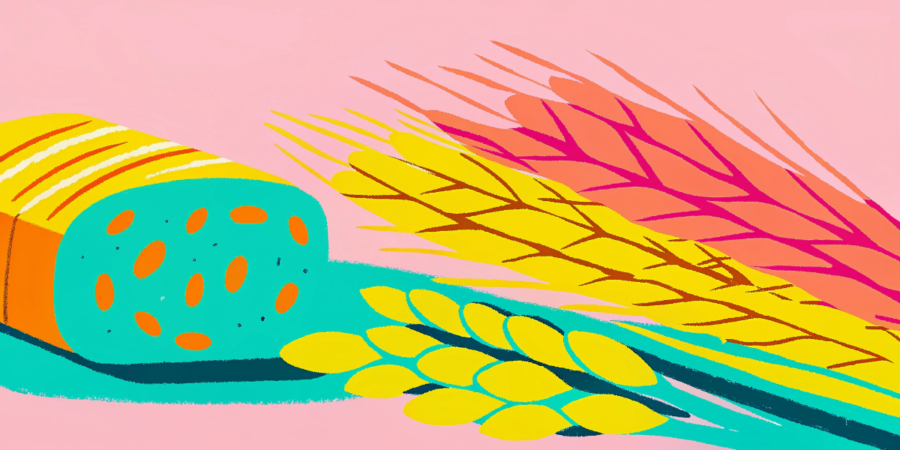
Eating whole grains like quinoa, oat, and brown rice in moderation offer steady energy through complex carbohydrates and provide fibre, B vitamins, and iron to support digestion and blood health.
7. Walnuts
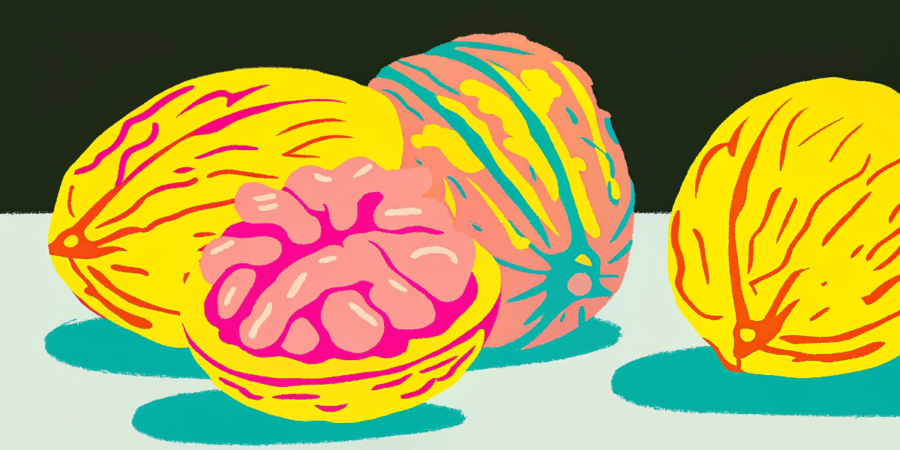
Walnuts that look like brains, actually support brain development! They contain plant-based omega-3 fats and protein, making them a nourishing snack.
8. Dark, leafy greens
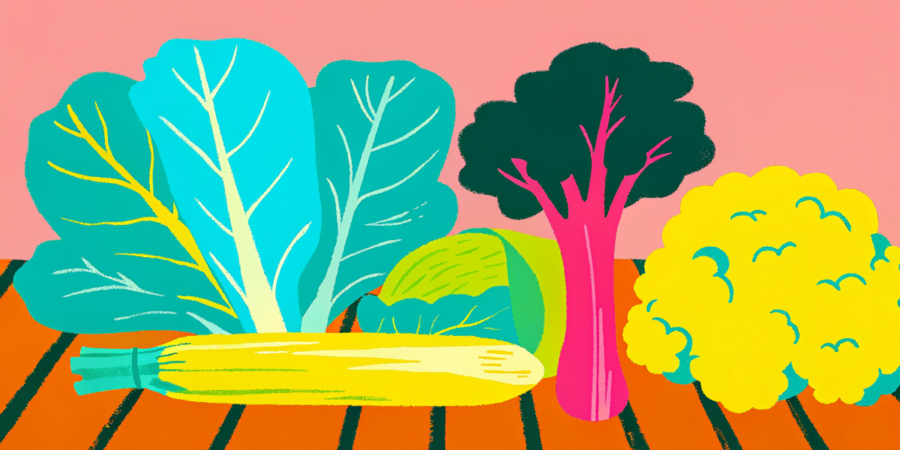
Dark, leafy greens are rich in folate, iron, and calcium, supporting blood production and early development. You can find them in bok choy, kailan, choy sum, and water spinach.
9. Greek yogurt
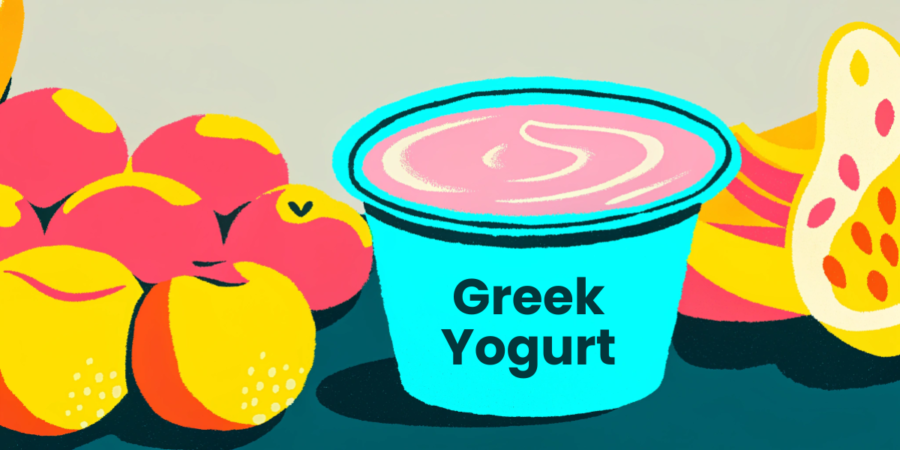
Greek yogurt is higher in protein than regular yogurt and provides calcium and probiotics, which support bone health and digestion.
Make sure the label reads “Greek yogurt” and not “Greek style yogurt” as Greek style uses thickeners that may contain more additives, sugars, and less protein.
10. Bananas
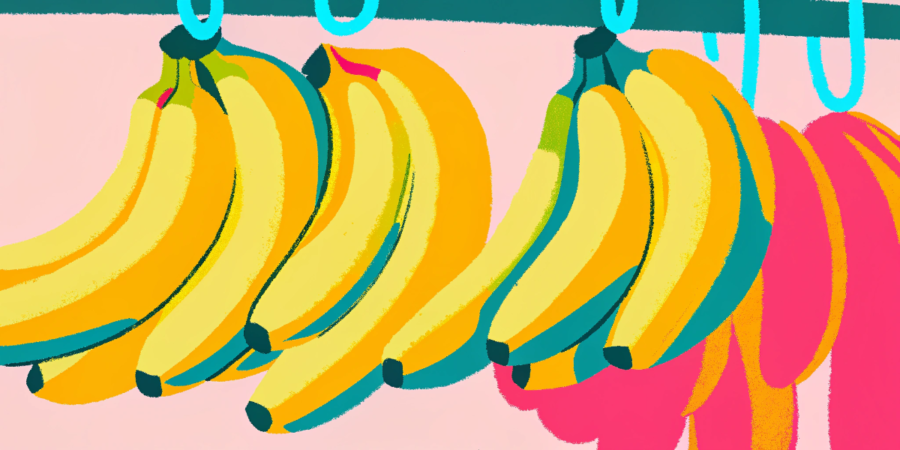
Bananas are gentle on the stomach and provide potassium, helping with muscle function and reducing leg cramps.
11. Lean meat
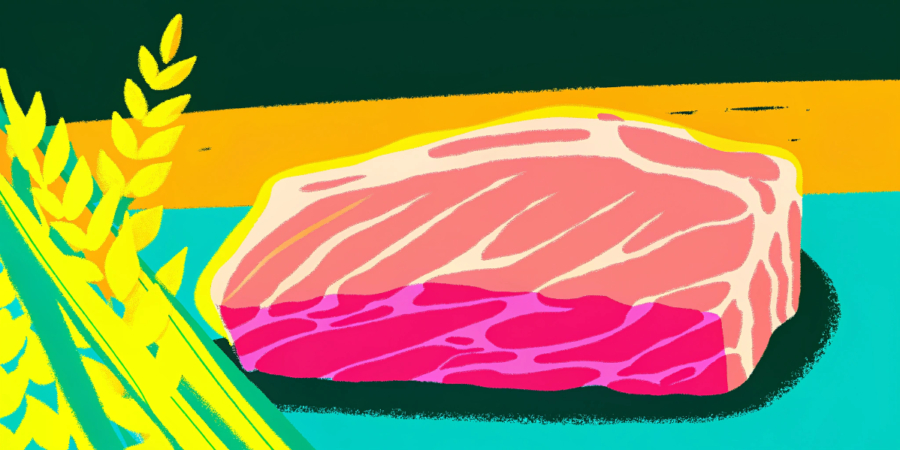
Lean meats are a strong source of iron and protein, supporting increased blood volume and your baby’s growth.
Can I Eat Spicy Food When Pregnant?
Yes, spicy food pregnancy is usually safe if your body tolerates it. There is no evidence that spice harms your baby.
However, spicy food may worsen heartburn or nausea for some moms. If your body says no, listen kindly.
Pregnancy Foods to Avoid
There are some foods best limited or avoided during pregnancy, especially during the first trimester. These include items that increase the risk of food poisoning like raw meat and eggs or contain high levels of mercury.
📖 Related read: 9 Foods to Avoid When Pregnant
A Little Support from Aima
You are not failing your baby because you skipped vegetables today. Nourishment happens over time, not in one meal. Trust that your body knows how to prioritise what your baby needs.
If you ever feel unsure, remember that you are doing better than you think, one meal at a time.
When food choices start to feel confusing, especially on days when cravings and nausea clash, having gentle guidance can help. Aima is your 24/7 pregnancy companion, offering personalised nutrition tips and answers based on your stage of pregnancy.