With expert insights from Dr Liew Woei Kang, Senior Consultant Paediatrician, Mount Elizabeth Novena Hospital
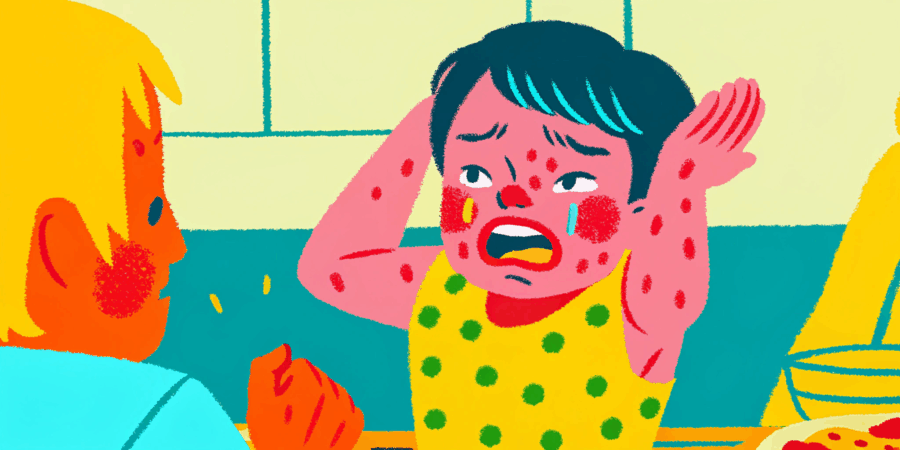
Your baby tries egg for the first time, a tiny bite, then red patches appear. Cue panic, Google searches, and calls to your mom for advice. Sound familiar? Food allergies are on the rise, but not every reaction means your child is allergic. Here’s how to tell what’s real, what’s not, and how to keep mealtimes calm and safe.
So, what exactly is a food allergy?
It’s when your child’s immune system throws a tantrum over something harmless like milk or peanuts and treats it like an invader. Even a crumb can trigger a reaction.
Common signs include:
- Rashes or hives that pop up suddenly
- Swelling around the lips or eyes
- Vomiting, tummy cramps, or diarrhea
- Coughing, wheezing, or breathing difficulty
If symptoms get severe, such as difficulty breathing, it can lead to anaphylaxis, a medical emergency that needs adrenaline right away.
But not every reaction means allergy
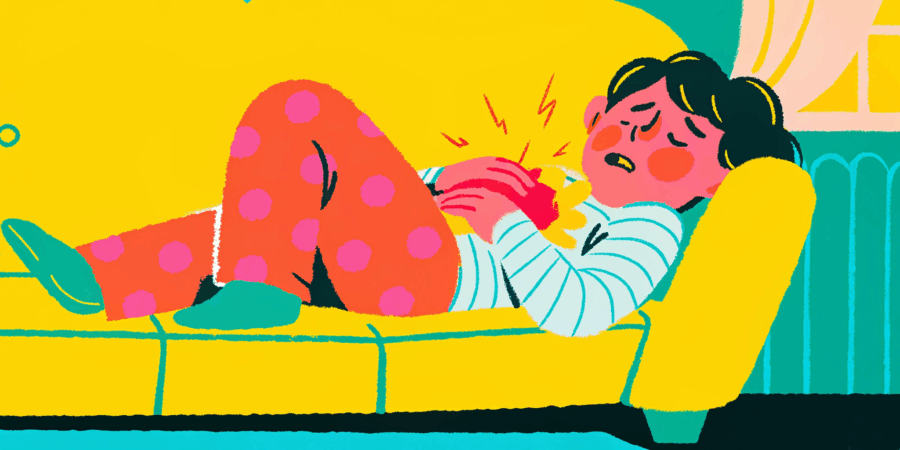
Here’s the plot twist, not all food reactions are allergies. Some are intolerances, which means the body just can’t digest or process certain ingredients well.
- Milk making tummies gassy? Probably lactose intolerance, not an allergy.
- Cheese or wine causing flushing? That’s histamine sensitivity.
- Reactions to colorings or preservatives? Think food additive sensitivity.
Annoying, yes, but not dangerous or immune-related.
The usual suspects
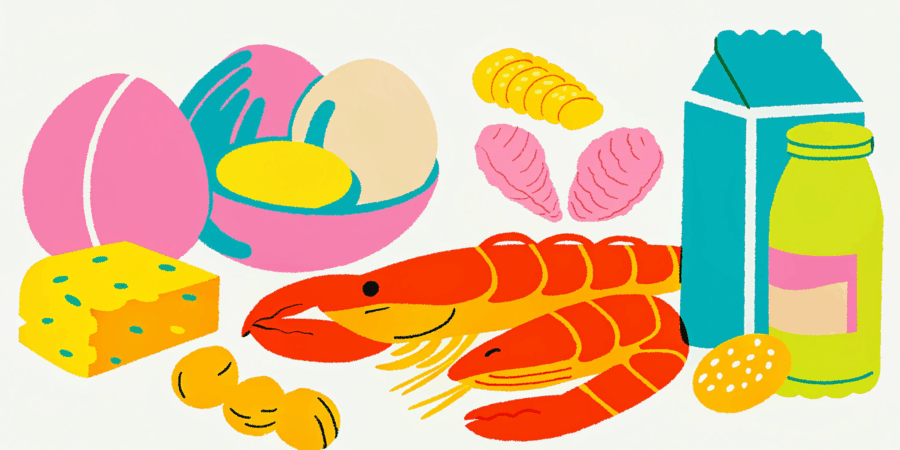
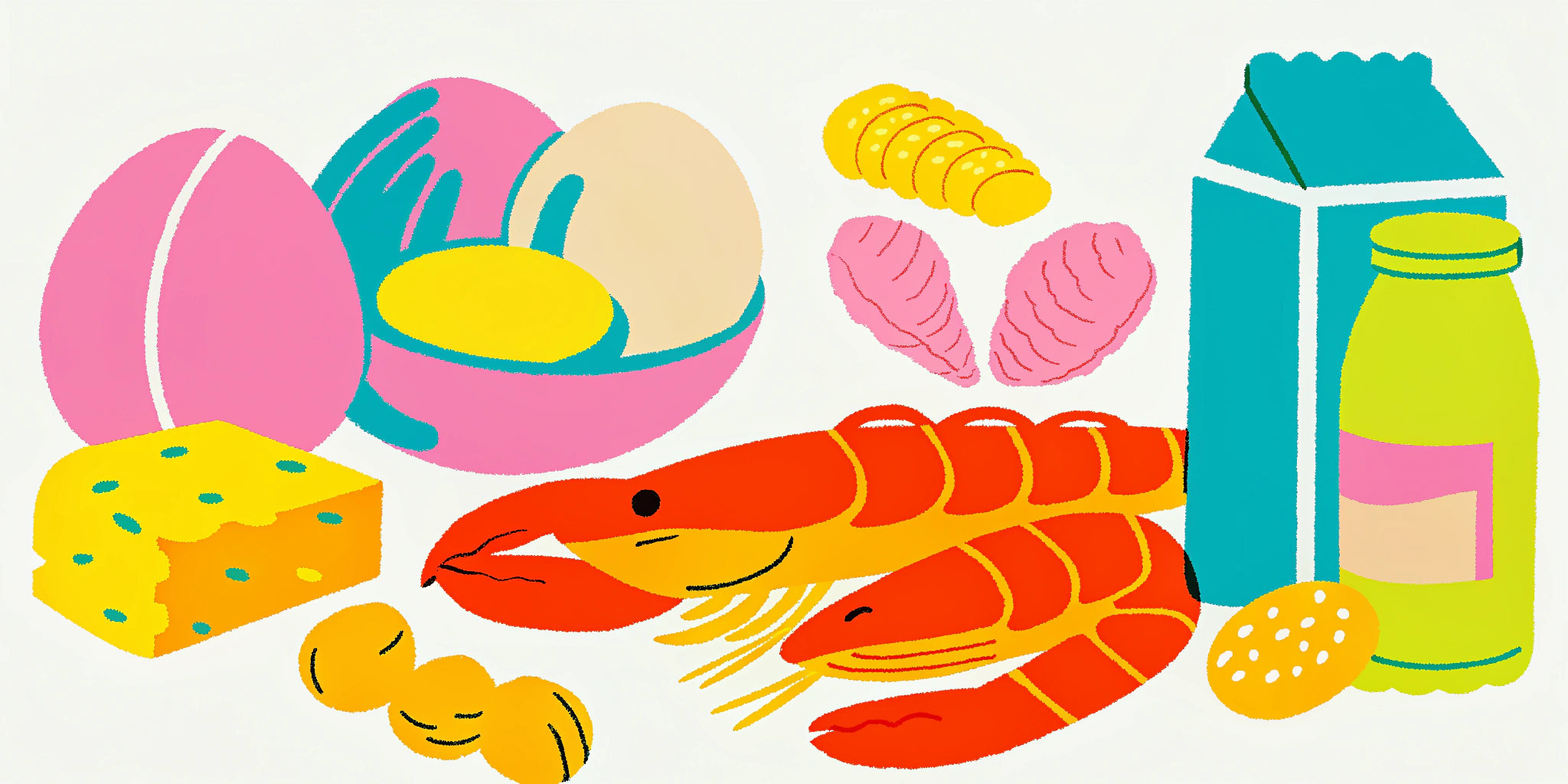
Dr Liew says the top allergens among kids are:
🥛 Cow’s milk and soy especially for infants
🍳 Eggs one of the most common triggers
🥜 Peanuts can cause serious reactions like anaphylaxis
🌾 Wheat and seafood less common, but still possible
Around 6–8% of children have food allergies, compared to just 1–2% of adults. So if your baby’s skin flares up after a new purée, you’re not alone.
How doctors confirm an allergy
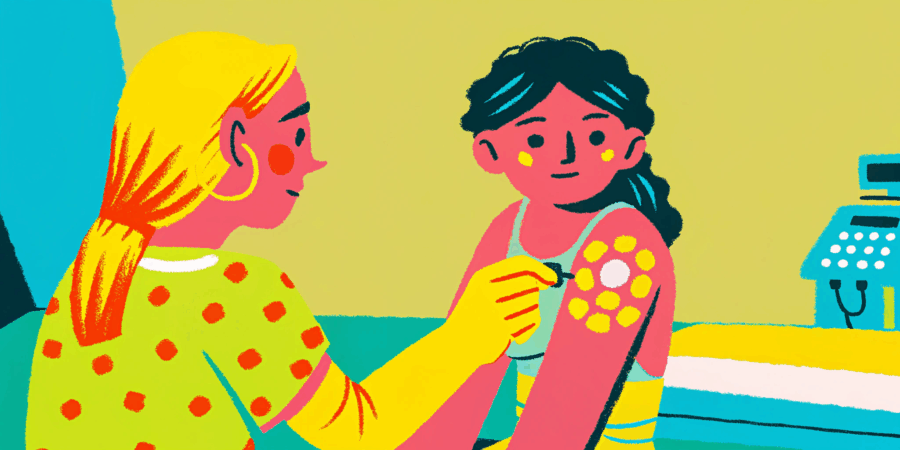
Skip the online “tests” and guesswork. The only proven ways to diagnose food allergies are:
✅ Skin prick tests small amounts of allergens are placed on your child’s skin
✅ Specific IgE blood tests measure antibodies that react to certain foods
Unproven methods like hair or “food IgG” testing can lead to unnecessary food restrictions and stressed-out parents. Always check with a qualified pediatric allergist.
The game plan: treat, manage, and move on
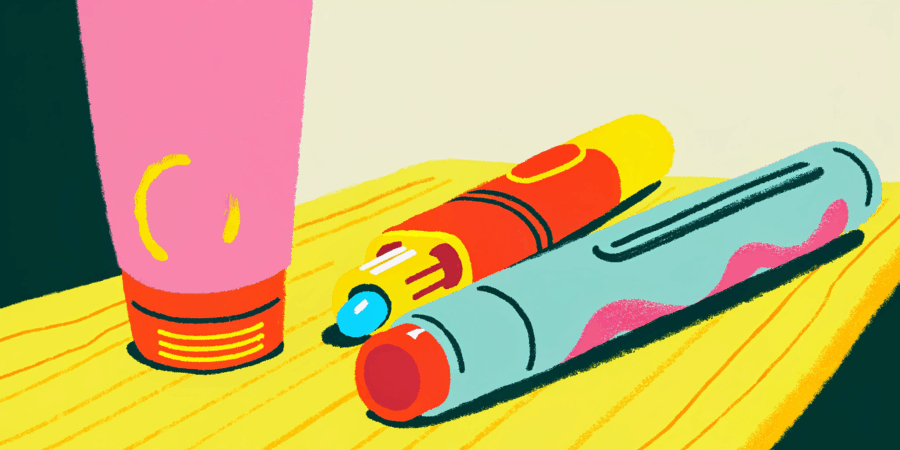
If your child has a confirmed allergy, don’t panic, just get prepared.
- Avoid the trigger food and double-check all labels
- Have an anaphylaxis action plan and keep your adrenaline pen handy
- Tell caregivers and teachers so everyone’s on the same page
- Manage eczema or asthma, which often come hand-in-hand with allergies
Here’s some good news, many children outgrow food allergies. For example, kids allergic to egg or milk might tolerate them once baked into muffins or pancakes. Always do this safely and under a doctor’s advice.
Early exposure is your secret weapon
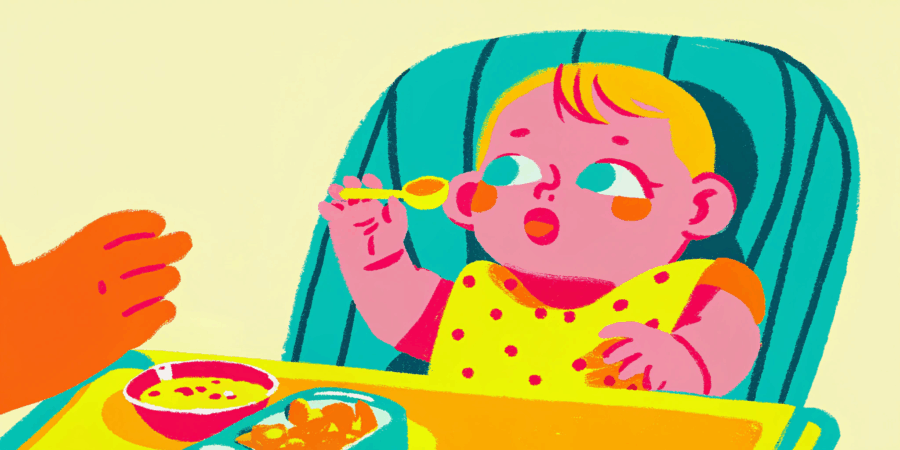
Once upon a time, parents were told to delay giving babies eggs or peanuts. Now, science says the opposite.
The famous LEAP (Learning Early About Peanut Allergy) study showed that early introduction of peanut-containing foods, around 6 months old, can help prevent peanut allergies from developing.
So don’t be afraid of those early food adventures, just do them safely, one new food at a time.
Beyond food: the skin and gut connection
Dr Liew explains that allergies aren’t just about what goes in your child’s mouth. The skin barrier and gut microbiome play a huge role too.
- Babies born via C-section or given early antibiotics might have fewer “good” gut bacteria
- Healthy skin care with mild cleansers and proper hydration helps prevent eczema flare-ups
- Over-sterilizing the home can actually increase allergy risks, let kids get a little messy
Can we prevent food allergies altogether?

There’s no magic formula, but here’s what helps:
🍼 Breastfeed for 4–6 months if possible
🥜 Introduce allergenic foods early, not late
🧴 Keep skin healthy, especially if your child has eczema
💊 Avoid unnecessary antibiotics and keep gut health strong
The Bottom Line
Food allergies can be scary, but knowledge and preparation make all the difference. Know the signs, have an action plan, and work closely with your child’s doctor. With the right approach, most children outgrow their allergies and you can finally enjoy mealtime without fear.

💡Supermom Hack:
Introducing new foods to your baby can feel stressful, but not with Aima by your side. Snap a photo of your meal or ingredients, and Aima can help you check for common allergens and track your baby’s food history. It’s like having a pediatric expert in your pocket, so you can focus on enjoying mealtime, not worrying about it.