With your primary school children, sometimes on the surface, things seem manageable. Homework gets done and test scores are mostly okay. But somewhere between the rushed revision sessions and the growing frustration over difficult questions, many parents start wondering: should I be doing more?
You are far from alone with such thoughts. In Singapore, demand for primary school tuition continues to rise, especially during the upper primary years.
According to the Singapore Department of Statistics, families spent $1.8 billion on tuition in 2023, a 29% increase from five years earlier. 1 Roughly seven in ten primary school children attend some form of tuition. 2
In this article we will be talking about how learning gaps can quietly build over time, whether you should send your child to tuition, and what kind of support may genuinely help children feel more confident and capable as academic demands increase.
Why upper primary is when learning gaps begin to form
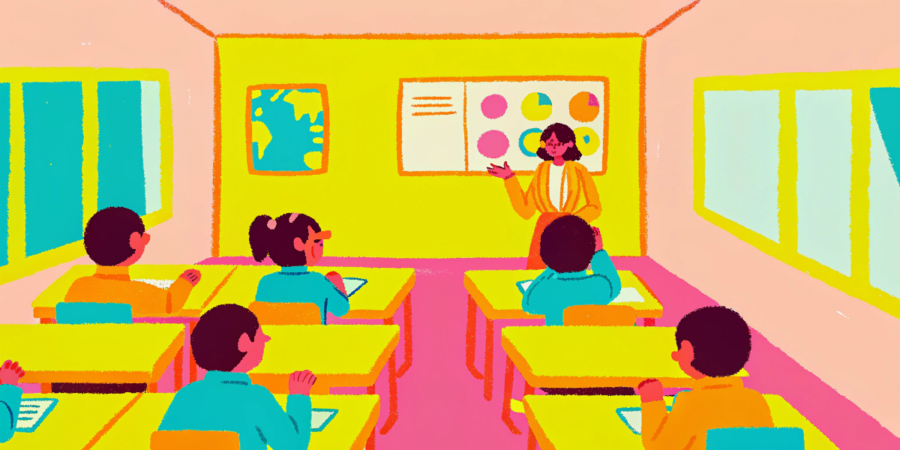
From Primary 3 onwards, school starts feeling different for many children. Subjects become less about memorising facts and more about applying concepts independently.
In Maths, questions become multi-step and require working through unfamiliar scenarios. In Science, children are expected to explain processes and connect ideas across topics. English comprehension moves beyond finding answers directly in the passage and starts testing inference and interpretation.
For some children, this transition happens smoothly. But this is also when the gaps begin to show.
A child who memorised multiplication tables without truly understanding place value may struggle with long division later on. A child who relied heavily on memorisation in Science may find upper primary concepts harder to process when analytical thinking becomes more important.
The shift is subtle, and that is part of the challenge. Education specialists note that upper primary grades commonly dip even for hardworking students, often due to hidden gaps in foundational understanding rather than a lack of effort. 3
A mother in our Supermom community shared: “My girl can revise at home like she understands… but once the question style changes, everything like gone already.”
Your child may appear to follow along in lessons but struggle when it comes to applying concepts independently.
💡 Supermom tip: With mid-year exams removed for most primary levels in Singapore, parents may have fewer checkpoints to spot struggling areas early. If your child suddenly seems more frustrated, avoids certain subjects, or loses confidence between school terms, it may be worth paying closer attention instead of waiting for the next report card.
How learning gaps in primary school quietly grow
Learning gaps rarely announce themselves. They tend to build gradually. A concept that was not fully understood in Primary 3 becomes a weak link in Primary 4 when a related topic builds on it. By Primary 5 or 6, the gap may have widened enough to affect performance across multiple areas.
Research from Singapore’s National Institute of Education indicates that targeted support for specific learning gaps produces clearer academic gains than broad-based enrichment. 4 The benefit is most significant when support addresses an identified weakness directly, rather than layering more practice on top of what a child can already do.
Some signs that parents describe in community conversations: a child who studies hard but forgets quickly. A child who seems to understand at home but cannot reproduce it in a test. A child who avoids certain question types or shuts down when they encounter unfamiliar problems.

One mom said that her child “still gives super short replies” during Mother Tongue oral, despite practising consistently at home.
Another described the nightly difficulty of trying to help a child who “stuck, I explain already she still don’t get it.”
These are not signs of laziness or lack of effort. They are often signs that a foundational piece is missing somewhere.
Should you send your child to tuition, or wait and see?
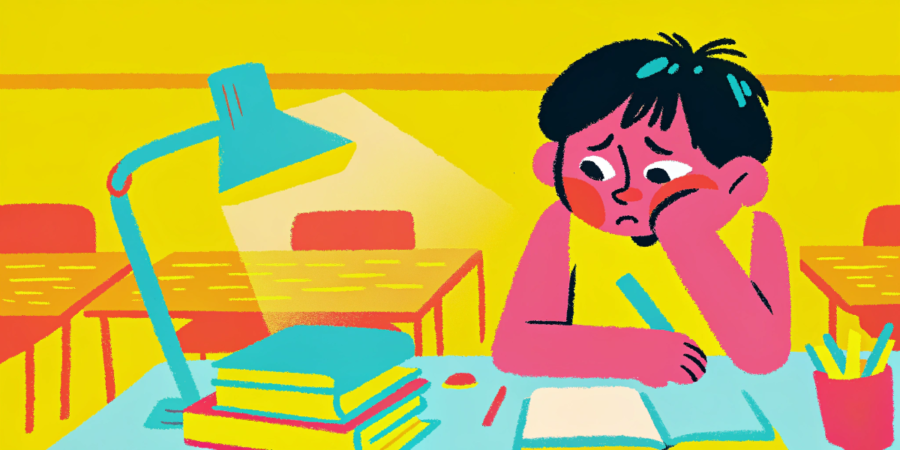
Many parents hesitate because they do not want to overload their child. That concern is valid.
Across parent communities in Singapore, the same tension appears again and again: worry that waiting too long may allow gaps to widen, balanced against worry that adding tuition could increase stress and burnout.
In our Primary resource group, one mom asked: “P5 holiday nowadays still feel like holiday for your kids or not ah? Still got tuition, homework, revision?”
But when extra help is genuinely suited to a child’s needs, it often does not feel like “more work”. When concepts start making sense, children become less fearful of difficult questions. Small wins begin rebuilding confidence.
As a parent shared: “I realised it was not really about tuition. It was about finally getting the right help at the right time.”
What to look for when choosing a good primary school tuition class
If you are weighing up extra help for your child in Primary 3 to 6 here is what a supportive tuition class should provide:
1. Concept clarity, not just repetition
Children retain more when they understand the reasoning behind a method, not just the steps. Strong conceptual foundations in upper primary make secondary school topics significantly easier to manage.
Small-group coaching, not another classroom-style lesson
In school, children are already learning in a classroom setting with many students. If tuition simply repeats the same classroom-style format, it can still be harder for a child to ask questions or receive individual attention. A good tuition class should offer something different: closer guidance, more opportunities to ask questions, and support that helps the coach notice each child’s learning gaps. In a small-group setting, students can be coached more personally to understand concepts and apply them when the question changes.
2. Support that builds independent learning habits
The goal is not a child who can only perform with a tutor beside them. It is a child who gradually learns to work through problems on their own, with strategies they can rely on. Through personalised coaching, students receive guidance based on their learning gaps and pace. Over time, this helps them understand how to approach questions, correct their mistakes, and build the confidence to solve problems more independently.
3. Better study habits for primary school students
Many children work hard but do not know how to study effectively. Learning to identify weak areas, space out revision, and self-check answers are skills that serve them well beyond any single exam.
4. Confidence and willingness to try
A child who feels safe to attempt challenging questions, even if they get them wrong, will progress faster than one who avoids difficulty altogether. The right level of challenge should be matched to the child’s competency level, helping them stretch their thinking while still building confidence.
How Aspire Hub supports upper primary students
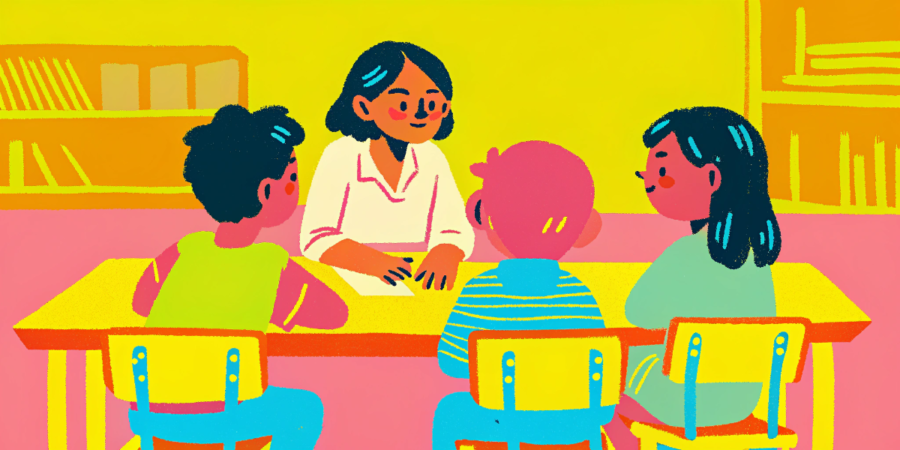
At Aspire Hub, the focus goes beyond repetitive drilling. Their coaching approach helps Primary 3 to Primary 6 students identify learning gaps, strengthen conceptual understanding, and build strong problem solving skill that support long-term confidence and independence.
This coaching vs tuition approach gives children space to ask questions, work through challenges at their own pace, and gradually become more confident learners instead of simply memorising answers.
Whether your child needs help preparing for PSLE, strengthening foundations in a specific subject, or managing upper primary transitions with less stress, the goal is steady and sustainable progress.
Book a trial coaching lesson with Aspire Hub to see how the right support can make a difference for your child.