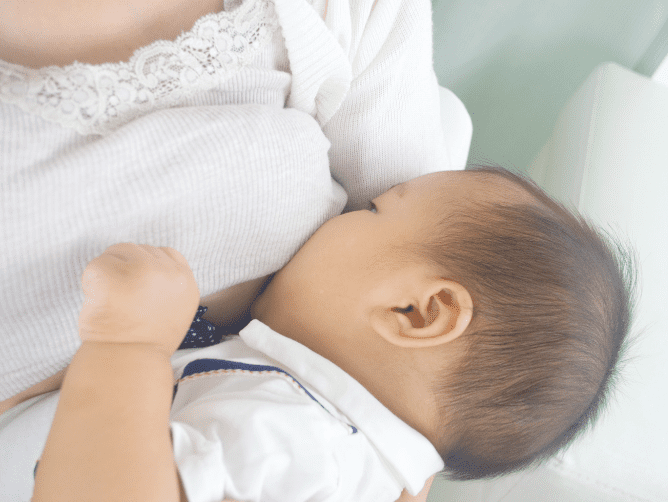
Pregnancy and breastfeeding can make your skin behave in completely new ways–suddenly, you are dealing with dryness, sensitivity, or breakouts you never had before.
But that is completely normal. It is just your body’s way of trying to adapt and change to the new life that is growing inside of you.
Here’s a simple guide to help you understand what to avoid. what’s safe, and how to care for your skin during this stage.
Do I Need to Change Skincare When I’m Pregnant?
Your skin absorbs some of what you apply, and during pregnancy or breastfeeding, a few ingredients can pass into your bloodstream—or your baby’s milk.
This is why it is recommended to tweak your usual routine.
Hormones can make your skin more reactive. You might notice dark spots, itchiness, or sudden breakouts. And with Singapore’s heat and humidity, your skin can feel even more sensitive.
Skincare Ingredients to Avoid
Wait! Before you throw everything out, just be mindful of these common ones:
Retinol and Retinoids (Vitamin A derivatives)
These have been the trendy keyword when it comes to skincare in the past few years. They are popular in anti-ageing and acne products because they boost cell turnover.
But during pregnancy, high doses of Vitamin A can be linked to birth defects. It’s best to press pause on retinol creams, prescription retinoids (i.e. Accutane), and even strong anti-ageing serums.
Instead, you can give bakuchiol a try. It is a natural, pregnancy-safe alternative that delivers similar benefits.
Salicylic Acid
A common ingredient for exfoliating and treating acne, salicylic acid in small amounts (like in a face wash that rinses off) is generally safe. But concentrated serums or chemical peels with high percentages (anything above 2%) should wait until after delivery.
For skin concerns such as acne and melasma, opt for azelaic acid which is pregnancy and breastfeeding safe.
Hydroquinone
While there isn’t enough research confirming its safety during pregnancy or breastfeeding, hydroquinone is known to absorb deeply into skin. Some sources say there are no documented major malformations, but it is generally advised by dermatologists and medical organisations to leave it out.
If you are looking for an ingredient to help with lightening dark spots or melasma, try Vitamin C or niacinamide for a gentler brightening effect.
Formaldehyde and Parabens
These preservatives help products last longer but have been linked to potential hormone disruption and skin irritation. They’re becoming less common, but it’s still worth checking your labels—especially in nail products, hair treatments, or older skincare formulas.
When buying new skincare products, look for “formaldehyde-free” or “paraben-free” on the packaging.
Essential Oils
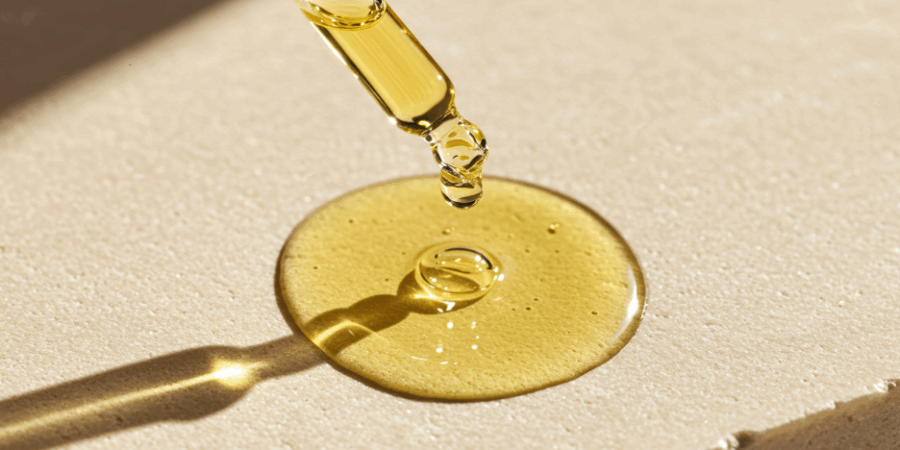
Natural doesn’t always mean safe. Oils like rosemary, clary sage, and peppermint can be too stimulating and are best avoided in concentrated forms. Calming oils such as lavender or chamomile are generally considered safer but always use them in moderation and check with your doctor if unsure.
💡 Tip: Always patch-test new products and introduce them slowly. Pregnancy can make your skin more reactive than usual, even to ingredients you used to tolerate well.
Safe Skincare Ingredients for Pregnant and Breastfeeding Mothers
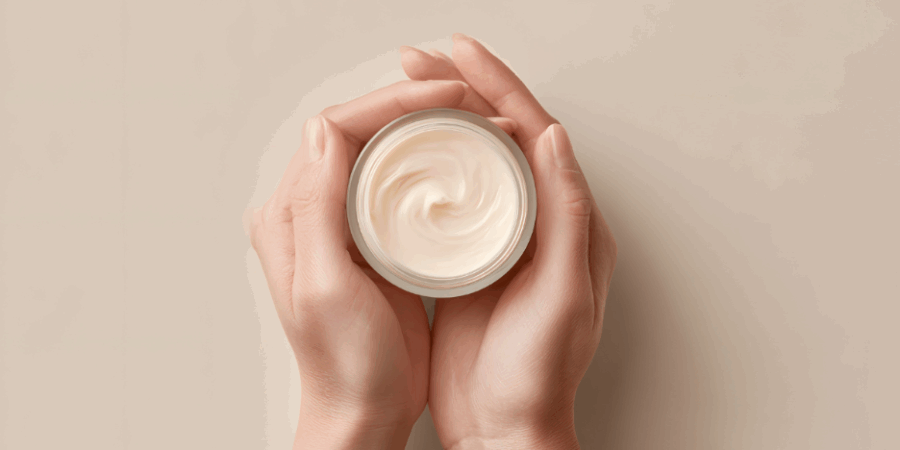
The good news is that there are still plenty of ingredients you can use safely during pregnancy and breastfeeding. These are gentle, effective, and perfect for Singapore’s warm climate.
They help keep your skin healthy and glowing without having to worry about what’s being absorbed into your body.
Hyaluronic Acid
If your skin feels dry or tight, this is a must-have. Hyaluronic acid draws in moisture and helps your skin stay hydrated without feeling greasy. It’s safe for all skin types and instantly gives that healthy, dewy look many moms miss during pregnancy.
Some popular products include:
- Hada Labo (Gokujyun Premium Lotion)
- SkinCeuticals HA. Intensifier
- Paula’s Choice Hyaluronic Acid Range
Ceramides
Pregnancy hormones can weaken your skin barrier, making it more prone to irritation or itchiness. Ceramides act like a protective layer, locking in moisture and soothing sensitivity. Look for them in cleansers and moisturisers if your skin feels rough or flaky.
Some popular products include:
- CeraVe Hydrating Cleanser and Cream
- Paula’s Choice Omega+ Complex Moisturiser
- Skinmiso Overnight Repair Cream
Vitamin C
Pigmentation or dark patches (often called melasma) are one of the most common pregnancy concerns. Vitamin C helps brighten the skin and even out tone safely. It also boosts your sunscreen’s protection, which is a big plus under Singapore’s strong sun.
Some popular products include:
- Nano Skinz Vitamin C Serum
- SkinCeuticals C E Ferulic
- The Fonz Le Charme Brightening Serum
Niacinamide (Vitamin B3)
When hormones cause breakouts or redness, niacinamide can help calm inflammation and strengthen your skin barrier. It’s also great for managing oil control—so your skin feels balanced, not shiny.
Some popular products include:
- Mediheal Vitamide Brightening Pad
- Paula’s Choice CLEAR Oil-Free Moisturiser
- Balance Skin Science Face & Body Moisturiser
Aloe Vera and Shea Butter
For dry, itchy skin or stretch marks, these two natural hydrators bring instant relief. Aloe vera feels cool and soothing after a long day, while shea butter deeply nourishes drier areas like your belly, thighs, and elbows.
Some popular products include:
- Cetaphil Hydrating Range
- Sephora Collection Aloe Vera Soothing Gel
- Founders Beauty Hyaluronic Moisturiser
💡 Tip: Choose fragrance-free and alcohol-free formulas whenever you can. During pregnancy, your skin (and your nose!) can be more sensitive than usual, so gentle and simple really is best.
Skincare Routine for Pregnant Women
If you are pregnant or breastfeeding, you don’t need a 10-step routine. Just focus on these basics:
Morning
- Cleanse with a mild, fragrance-free cleanser.
- Apply a hydrating or brightening serum (hyaluronic acid or Vitamin C).
- Use a lightweight moisturiser.
- Finish with a mineral sunscreen (zinc oxide or titanium dioxide).
Night
- Double cleanse if you wear sunscreen or makeup.
- Apply a calming serum (like niacinamide).
- Moisturise well before bed.
💡 Tip: Gel or water-based moisturisers work best in Singapore’s humidity.
Mom-Approved Brands You Can Trust
Here are some pregnancy and breastfeeding-safe brands that moms in Singapore love:
- Bio-Oil (Natural): For stretch marks and uneven tone.
- Cetaphil/CeraVe: Dermatologist-favourite, fragrance-free basics.
- The Ordinary (selected products): Great for niacinamide or hyaluronic acid.
- Mama’s Choice: Made for moms and available locally.
- Aveeno: Great for sensitive or eczema-prone skin.
You can find these easily at pharmacies and beauty stores.
Embrace Your Skin’s Journey
Your skin is changing because your body is doing some incredible. It’s okay if it doesn’t look like it used to. Be gentle with yourself. Because when you feel good in your skin, that glow shines through.
If you are unsure of what ingredients are safe for you, use Aima to check skincare ingredients and products before buying—it’s an easy way to make sure what you’re using is pregnancy- and breastfeeding-safe.
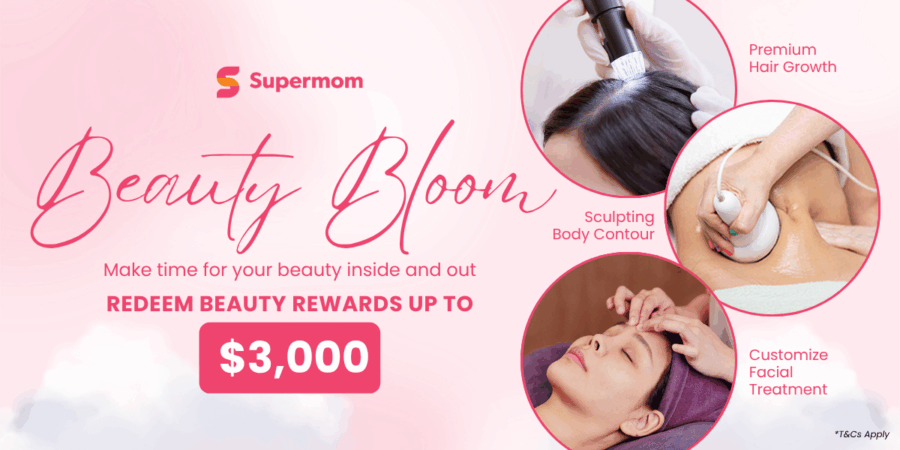
Pamper yourself with beauty treatments from our Supermom Perks page curated specially for moms. From rejuvenating facials to hair loss treatments, find everything you need to feel confident, refreshed, and radiant, because when you care for yourself, everyone around you benefits too.