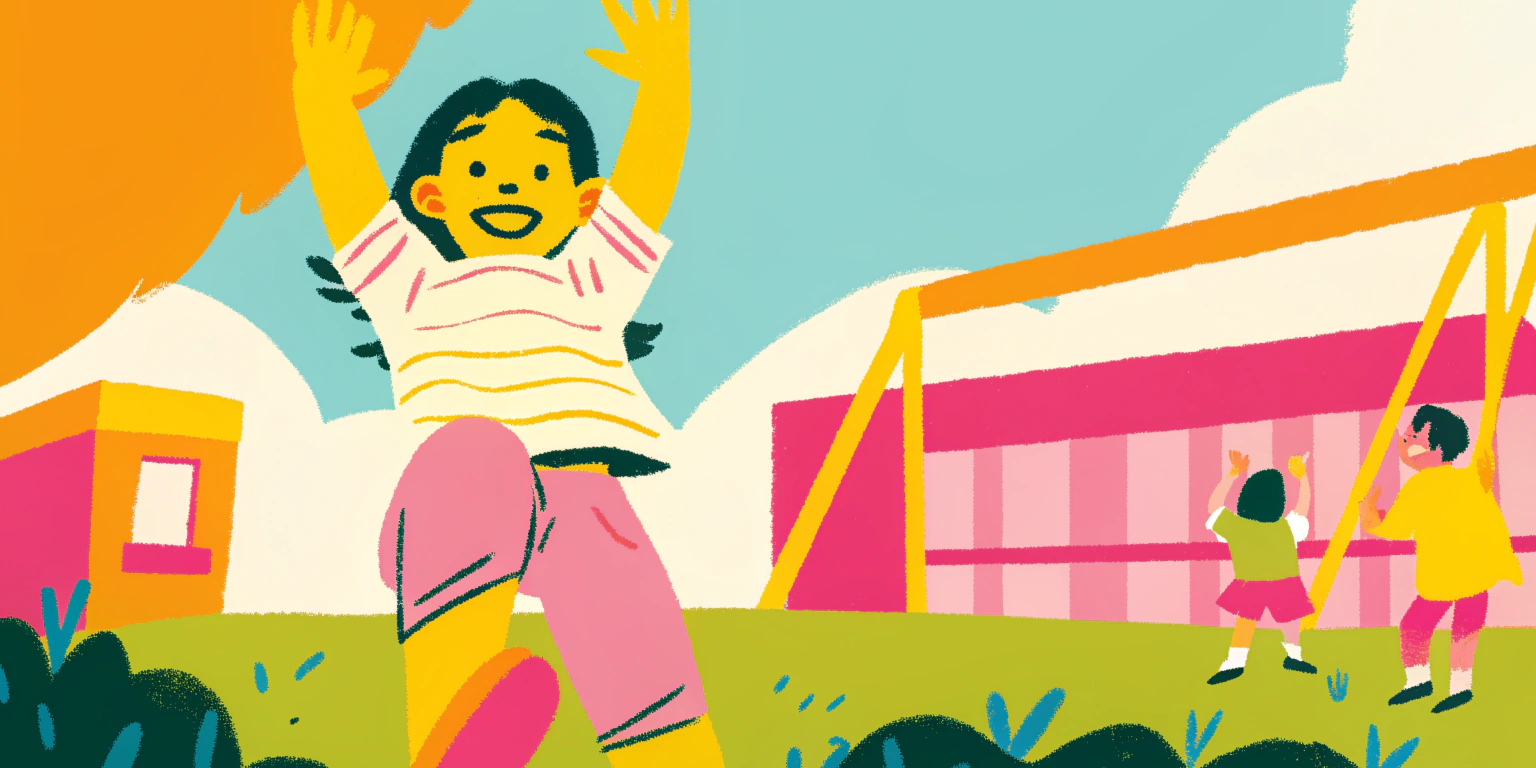
It’s 6.30am in Singapore.
In one home, a parent and child finish breakfast at the dining table. There is no rushing. After packing the school bag, they take the lift down, walk past the void deck and playground, and follow the sheltered walkway to pre school. There is even time for a proper goodbye at the classroom door.
In another home, the morning feels very different. A parent hurries their child into the car while checking Google Maps for congestion along the PIE or TPE, hoping there is not an accident ahead. The ERP gantry is about to switch to peak hour rates, and the drop-off point outside the school is already filling up. One slow merge or a long wait at the drop-off can turn a calm morning into a stressful one.
This is where neighbourhood-based preschool operators such as E-Bridge Pre-School come into play, emphasising convenient accessibility within residential estates and making preschool part of where families already live.
Choosing a Preschool in Singapore: Why Location Matters More Than You Think
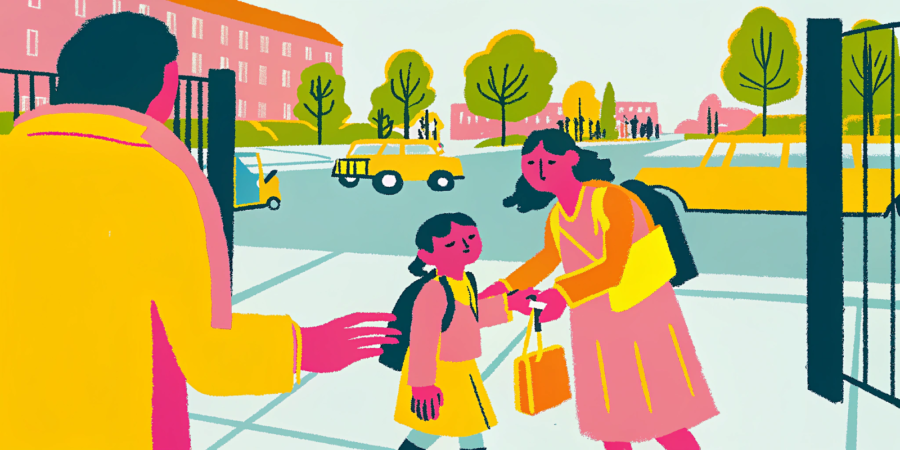
Many parents looking for the best preschool in Singapore focus on curriculum, safety and reputation, but location plays an equally important role in daily family life. In a dense city where traffic shifts quickly, even a three-kilometre difference can significantly affect daily routines from morning drop-off to evening pick-up.
Choosing a preschool in Singapore comes with unique urban realities:
• School drop-off points are often narrow.
• Rain intensifies peak-hour delays.
• ERP timing influences departure decisions.
• Small neighbourhood roads near MRT stations become crowded easily.
• Many drivers from different estates converge onto the same expressways before work.
In Singapore, traffic is measured less in kilometres and more in minutes, factoring merging lanes, traffic lights and long queues at school gates. What looks manageable on a map can feel very different in real life.
In this context, proximity means predictability, and predictability means convenience, changing how the day unfolds for the whole family. Choosing a preschool near home can drastically reduce commute uncertainty and support a child’s emotional readiness for the day ahead.
How Commute Time Affects a Child’s School Readiness

Children who begin their mornings calmly experience the day differently.
Breakfast begins at the table instead of in the car. They walk past familiar HDB blocks while greeting their neighbours, and enter class welcomed by teachers and friends instead of rushing through the gates. Arriving settled feels different from reaching flustered, and that emotional tone carries into the classroom.
Even living “nearby” does not guarantee ease. Around areas such as Bedok North Avenue 3 or Upper Serangoon Road, traffic can build up as early as 7am. A short five-minute drive can quietly turn into 20 minutes of slow-moving traffic.
Science backs this up too, as research done in China¹ and Bangkok² has shown that longer daily commutes are associated with lower psychological wellbeing in children, particularly in dense urban environments. Journeys under 20 minutes tend to show fewer negative effects. In simple terms, how a child arrives often shapes how they begin.
In Singapore, weekday traffic conditions are officially tracked during peak periods between 8am and 9am, and again from 6pm to 7pm, according to Land Transport Authority data3. The Ministry of Transport’s Household Travel Survey4 shows that average school travel times range between 30 and 35 minutes one way.
For many dual-income families, this can amount to close to an hour daily spent travelling to and from school, often during the busiest hours on the road. When preschool is located further from home, even short distances can extend beyond that average, adding uncertainty to already time-sensitive mornings and evenings.
In this environment, proximity is not only about saving time. It shapes how calmly a child begins and ends each school day.
The Hidden Mental Load for Working Parents in Singapore
The longer the commute, the earlier the alarm rings. For dual-income households, choosing the right preschool for working parents in Singapore often comes down to how well it supports realistic daily schedules.
If a child needs to leave home by 6.30am to avoid traffic, parents are awake well before sunrise. Packing bags, preparing breakfast, coordinating helper schedules, checking emails, and even calculating buffer time before the first meeting of the day.
The mental planning does not end at drop-off. Parents check traffic conditions between meetings and think of leaving work earlier than necessary in case congestion builds near the school entrance. A quiet layer of contingency planning runs throughout the day.
On the other hand, shorter distances between the preschool and home reduce that constant recalculation. Drop-offs become more predictable and pick-ups no longer require a 30-minute buffer window. The day feels structured rather than reactive. This idea of predictable daily rhythms is not just a practical preference for parents, it is also reflected in national early childhood policy.
Singapore’s Early Childhood Development Agency (ECDA), in its 2023 Early Years Development Framework, highlights the importance of caregiving routines and strong preschool–family partnerships in supporting children’s development.
Through its policies, ECDA also emphasises increasing access to quality preschool places within residential communities to better support working families.
In practical terms, when centres are located close to home, predictable daily rhythms become easier to maintain, and smoother transitions between home and school can benefit both a child’s emotional readiness and how families organise their day.
Parent Perspectives: “Being close to the centre has made such a difference. Our daughter settles in easily, and the predictable routine helps both her and us start the day positively”. – E-Bridge Parents
How Preschool Location Shapes Evening Family Time

Distance takes its toll most quietly at night.
Late pick-ups lead to later dinners, which pushes back bath time and bedtime. As the household feels more tired, conversations shrink to just “Have you eaten?” or “time to sleep?”.
In a city where many families move into new BTO estates and juggle work commitments, helper schedules and grandparent support, timing matters. A 5.30pm pick-up that leads to dinner by 6.30pm creates breathing space. There is time to talk about the day, revise simple activities, or wind down properly before bed.
In Singapore’s fast-paced work culture, that reclaimed hour can make a meaningful difference to the entire household.
E-Bridge Pre-School: Quality Education Within Residential Communities

For working parents with busy schedules, proximity alone is not enough. Educational quality matters equally. For families comparing options, cost is a key consideration and many parents balance affordability with convenience.
As an ECDA preschool in Singapore, E-Bridge adheres to national early childhood standards while delivering quality education within neighbourhood estates. Rather than planning expressway routes or ERP timing, families benefit from preschools located right in their neighbourhoods.
E-Bridge’s Reggio Emilia-inspired guided inquiry approach supports curiosity, collaboration and exploration, reflecting its commitment to quality early childhood education in Singapore. Classrooms are designed around relationships and environment, encouraging children to think, question and create.
By placing quality early childhood education within residential estates, families do not have to choose between convenience and learning standards.
One parent shared:
“E-Bridge was a natural first choice for my husband and me because of its long-standing reputation in preschool education and its proximity to our home. Entrusting the school with the care of our three children over the years proved to be a sound decision. We are grateful for the strong support and partnership the school has provided as we navigated challenges at home. We have seen how the curriculum nurtures children who are curious, confident, capable, creative, communicative, and respectful.”
For families moving into new estates like Bartley Beacon or Tampines GreenEmerald, having a local preschool provides familiar routines and eases the transition into a new community.
Preschool in Tampines: Embedded Within the East-Side Community

At Tampines GreenEmerald, the centre is well connected to Tampines West MRT and Bedok Reservoir MRT, with everyday amenities nearby. For East-side families juggling work schedules and school runs, this accessibility supports smoother routines.
Learning here reflects the surrounding neighbourhood’s connection to green living. Through repurposed and recycled materials, children explore ideas hands-on, developing creativity and environmental awareness as part of everyday experiences rather than standalone lessons.
For East-side families, proximity supports both routine and belonging.
Preschool in Bartley: City-Fringe Convenience with Green Spaces
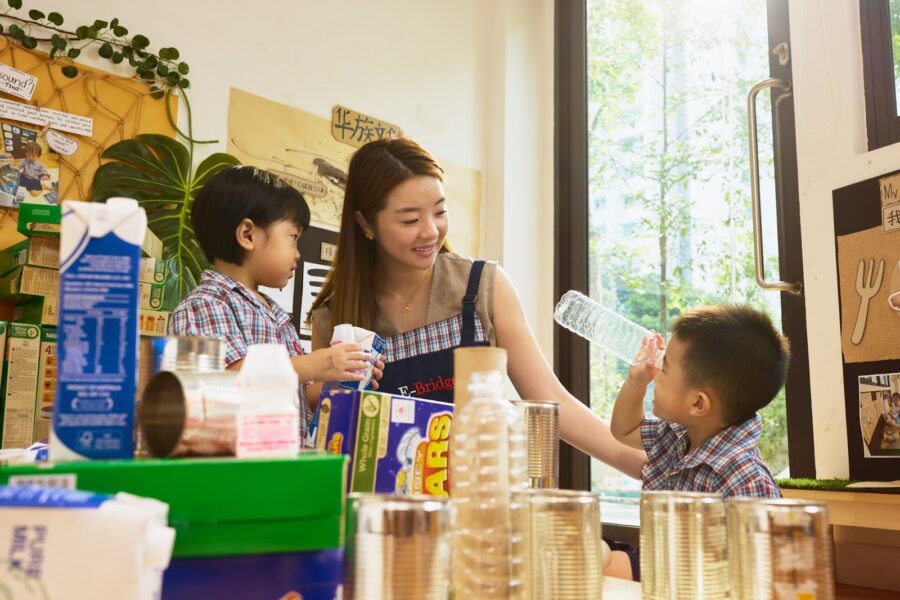
Located at Mount Vernon Road beside Bartley MRT, the Bartley Beacon centre sits within a residential estate that blends convenience with greenery.
Bright, naturally lit classrooms and flexible learning spaces encourage exploration. Recycled materials sourced from nearby shopkeepers and hawkers are reused, allowing children to see learning possibilities in everyday objects.
With Bidadari Park, Alkaff Lake and the Heritage Walk nearby, green spaces become part of routine life rather than occasional outings. For families in the Bartley and Upper Serangoon areas, a neighbourhood preschool reduces the friction of daily travel while preserving access to quality early childhood education.
What a Neighbourhood Preschool Looks Like in Singapore
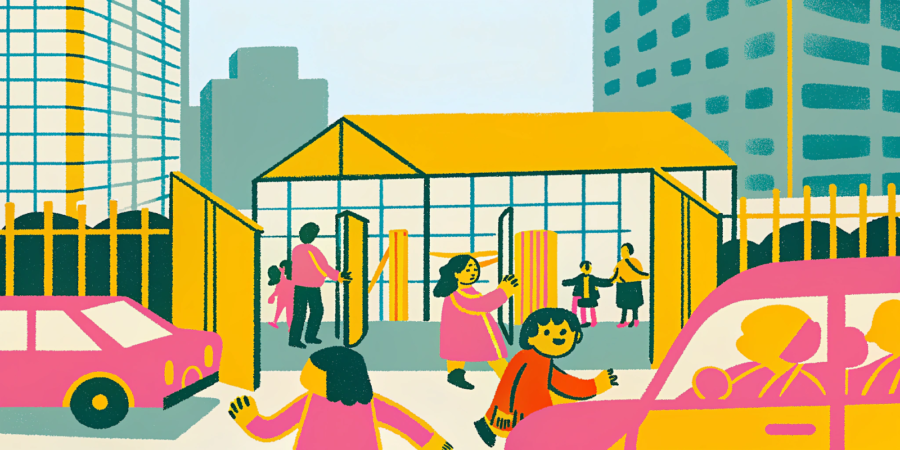
In Singapore’s HDB estates, daily life follows its own rhythm. Mornings unfold under sheltered walkways, past void decks and playgrounds, with coffee shops already bustling downstairs. Parents check the weather, as a sudden downpour can change everything. Some families drive, mindful of ERP timing and COE costs; others rely on MRT connections, grandparents, or helpers to manage pick-ups.
In this context, location is not abstract. A neighbourhood preschool becomes a tangible part of everyday life rather than an isolated destination. For many families, choosing a childcare centre embedded within their estate creates continuity between home and school.
Children recognise classmates at the playground downstairs. Families pass one another in the lift lobby or supermarket. Friendships extend beyond the classroom walls, and school no longer feels separate from home.
Why “Preschools Near Me” Is a Practical Decision in Singapore
Searching for a preschool near me in Singapore is about more than convenience. It is about:
• Reducing commute uncertainty
• Supporting children’s emotional readiness
• Easing parental mental load
• Preserving family time
• Building neighbourhood connections
In a city where traffic can shift quickly and mornings depend on timing, small distances can make a meaningful difference.
Sometimes, the greatest advantage of a preschool is not only what happens inside the classroom, but how seamlessly it fits into everyday family life.
Frequently Asked Questions About Choosing a Preschool in Singapore
1. How far should a preschool be from home in Singapore?
Ideally under 20 minutes door-to-door. Shorter commutes are associated with calmer mornings and more predictable routines, especially during peak traffic hours.
2. Does commute time affect children in Singapore?
Yes. How a child travels to school can influence how they begin their day.
• Longer daily commutes are linked to lower psychological wellbeing
• Traffic congestion can fluctuate quickly in dense cities
• Shorter journeys often support emotional readiness
3. Is it better to choose a preschool near an MRT station?
For families who rely on public transport or helpers for pick-ups, proximity to MRT stations such as Tampines West, Bedok Reservoir or Bartley can make daily coordination smoother and more predictable.
4. Are neighbourhood preschools suitable for dual-income families?
Yes. A preschool located within your estate or along your daily transport route can reduce daily stress, simplify coordination with helpers or grandparents, and improve work-life balance.
5. What should I consider besides location when choosing a preschool in Singapore?
Location does matter, but other factors to consider include:
• Curriculum approach
• Affordability and available government subsidies (e.g., ECDA or MOE-funded programs)
• Teacher training and qualification
• Learning environment and classroom design
• Alignment with your family’s values
6. Should I choose a preschool near home or near my workplace?
For long-term stability, many families prefer a location near home as it:
• Makes it easier to coordinate with caregivers
• Builds stronger neighbourhood connections
• Provides less disruption if work arrangements change
7. Does living near the preschool benefit my child socially?
Yes. When preschool is located within the same estate, children are more likely to see classmates at playgrounds, void decks and community spaces. This familiarity can strengthen friendships and build a sense of belonging beyond the classroom.
References
1. “How School Travel Affects Children’s Psychological Well-Being and Academic Achievement in China – International Journal of Environmental Research and Public Health”. https://doi.org/10.3390/ijerph192113881. Accessed on 25 February 2026.
2. “The Relationship between Stress and the Number of Hours That Students in Bangkok Spend Traveling to and Back from School – International Journal of Current Science Research and Review”. https://doi.org/10.47191/ijcsrr/V6-i9-22. Accessed on 25 February 2026.
3. “Road Traffic Conditions during Peak Hours – Land Transport Authority Singapore”. https://data.gov.sg/collections/379/view. Accessed on 2 March 2026.
4. “Weekday Commute Times Based on LTA’s Latest Household Travel Survey Separated by Household Types and Income – Ministry of Transport Singapore” https://www.mot.gov.sg/news-resources/newsroom/weekday-commute-times-based-on-lta-s-latest-household-travel-survey-separated-by-household-types-and-income/. Accessed on 2 March 2026.