Your little one is starting Primary 1 (P1) next year!
It feels like just yesterday they were learning to put on their own shoes. Now you’re getting your child ready for P1.
It is an exciting transition not only for them, but for the parents as well.
If you are feeling a mix of excitement, pride and a quiet panic about whether your child is ready, you are not alone. In this guide, we will be sharing about practical ways to help them feel safe, capable and confident as they step into a brand-new world.
1. Everyday Independence
This may be the first time your child will be navigating the world for such a long period of time without you by their side.
Before worksheets and spelling lists, focus on the little things that make big days easier.
Ask yourself:
☐ Can they use the toilet on their own from start to finish
☐ Can they open their own lunch box and water bottle
☐ Do they know how to manage buttons, zippers and shoelaces
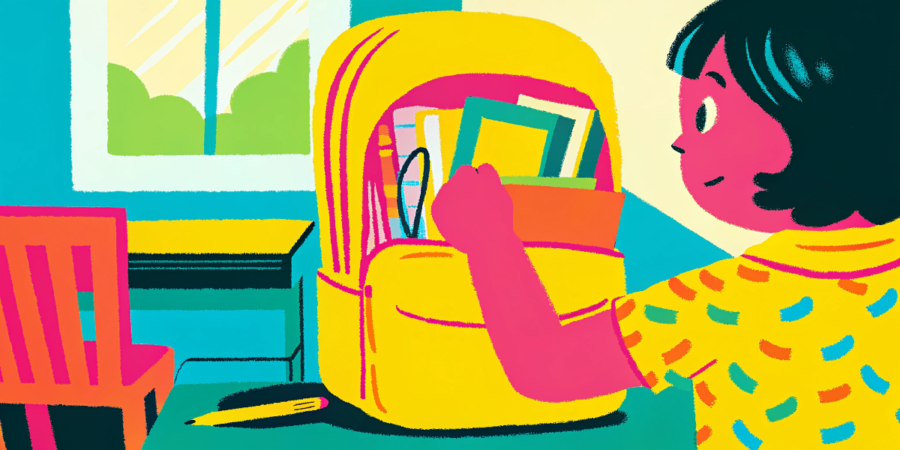
☐ Can they pack and unpack their school bag with some guidance
These skills can instil a sense of responsibility and help your child feel capable in school, especially when teachers are managing many students at once.
💡Supermom tip: Have your child memorise your phone number in case of emergencies.
2. Academic Basics
Your child does not need to read chapter books or do advanced sums, but it is important for them to familiarise themselves with English as they will need to know how to basic read for all the subjects, even Math.
Check if they:
☐ Can recognise and write their own name
☐ Are familiar with basic phonics sounds
☐ Can they read simple words or short sentences
☐ Understand numbers up to 20
☐ Can they grasp simple ideas like more, less, before and after
Since 2019, P1 and P2 students part of Singapore’s Ministry of Education System no longer have to take weighted assessments or year-end exams.
Instead, they will be focusing on arts, sports, and discovery through the Programme for Active Learning (PAL) as part of the Ministry’s initiative for a more holistic curriculum.
3. Social and Emotional Readiness
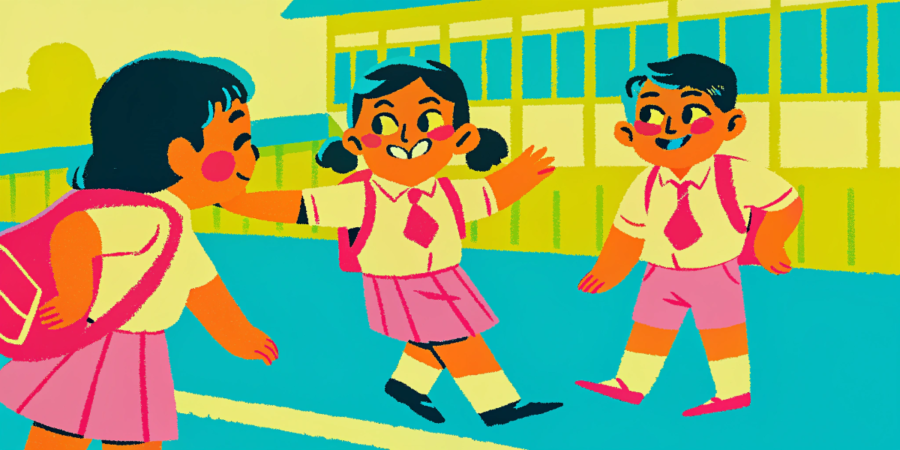
Aside from academic lessons, primary school is a chance for little ones to learn about how to be a part of a bigger community.
Look out for:
☐ The ability to separate from you without distress
☐ Using words to express feelings
☐ Taking turns and sharing with peers
☐ Following simple group instructions
☐ Knowing how to ask an adult for help
4. Getting Used to Routine
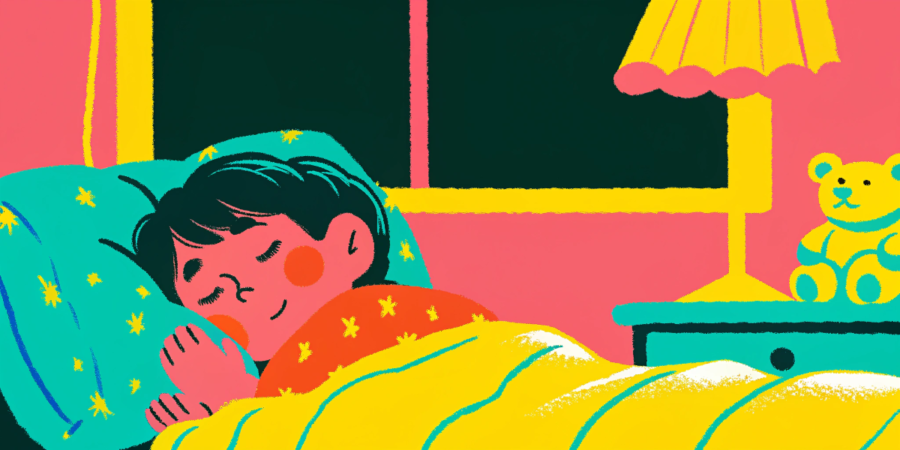
School days are longer and more structured than preschool.
Gently prepare by:
☐ Shifting bedtime and wake-up times earlier
☐ Practising eating breakfast within a time limit
☐ Encouraging your child to focus on a task for 15 to 20 minutes
☐ Talking about what a school day might look like, including lessons and recess
Here is a simple schedule to help ease your child into the P1 routine:
| Time | Activity |
| 6:30am | Wake up/get ready for school |
| 6:50am | Breakfast |
| 7:00am | Go to school |
| 7:30am | Learn/play/recess |
| 1:30pm | School ends |
| 2:00pm | Reach home/lunch |
| 2:30pm | Quiet time/nap |
| 3:30pm | Homework/reading |
| 4:30pm | Play/activities/snack time |
| 6:30pm | Dinner |
| 7:00pm | Bath/wind down |
| 8:30pm | Bedtime |
5. The Practical Stuff That Reduces First-Day Nerves
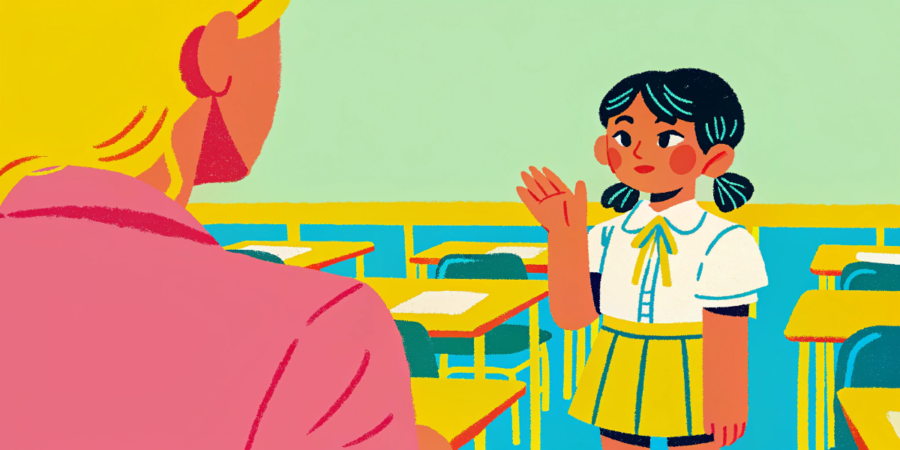
Familiarity helps children feel safe.
Make sure your child:
☐ Can recognise their own belongings
☐ Knows what their uniform and shoes look like
☐ Understands basic school rules
☐ Knows who to approach if they need help
If your school offers orientation sessions, go together and talk about what you see. Having a familiar presence next them while exploring can help them feel less scared while being curious about everything.
What to Buy and Prepare for P1
If this is your first time sending a child into P1, this checklist covers what most Singapore parents prepare or buy before the school term starts.
School Uniform Essentials
- School uniform sets, at least two to three
- PE attire
- School socks
- Black or white school shoes (as required
- House shirt
School Bag and Accessories
- Lightweight school bag that fits A4
- Name tag or label attached securely
- Pencil case
💡Supermom tip: Get a transparent pencil case which can allow your child to see where everything is without having to take everything out.
Stationery
- Pencils, usually 2B
- Eraser and sharpener
- Ruler
- Colour pencils or crayons
- Glue stick
- Safety scissors
- File or folder for worksheets (to prevent crumpling)
💡Supermom tip: Label every single item. Yes, even the eraser. And then be prepared for missing items even with labels.
Books and Learning Materials
- Approved textbooks and workbooks
- Exercise books
- Book bag or file for homework
- Reading folder
💡Supermom tip: Use a plastic book wrapper for textbooks and workbooks to protect them from damage like tears, spills and stains.
Lunch and Hydration Items
- Lunch box
- Water bottle with secure cap
- Small snack container
- Utensils
Health and Personal Care Items
- Tissues
- Hand sanitiser
- Handkerchief
💡Supermom tip: Check in every week to see if a restock is needed. Or let your little one know where they can take new ones from home to restock it themselves.
Optional but Helpful Extras
- A simple watch to learn time
- Raincoat or poncho
- Small umbrella
- Shoe bag for PE days
A Gentle Reminder for Parents
It is okay if your child is not perfect at everything on this list. Readiness is not a checklist to complete but a journey you walk together.
Speak kindly about school. Reassure your child that it is normal to feel nervous. And remind yourself that children are wonderfully adaptable, especially when they know their parents are right there, cheering them on.
You are not behind. Your child is not behind. You are both exactly where you need to be.
And if it feels overwhelming, remember that your village is right here with you. Join our community groups and speak to other moms walking the same P1 journey, ready to share, listen and support one another.